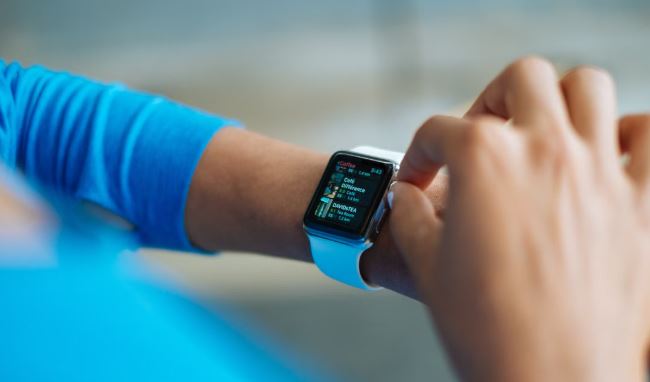
Healthcare technology is changing how people understand and manage their health. Instead of waiting for symptoms to appear or relying only on occasional medical check-ups, consumers can now monitor several aspects of their daily health through smartwatches, fitness bands, smart rings and connected medical devices. This shift is turning smart wearables into an important part of preventive healthcare, while opening new opportunities for technology companies, fitness businesses and healthcare providers.
What began as a convenient way to count steps and track workouts has developed into a broader digital health ecosystem. Wearable devices can monitor activity levels, heart rate, sleep patterns and other health indicators, helping users recognise changes in their routines and make more informed lifestyle decisions. When connected with healthcare services, these devices can also support remote monitoring and more personalised patient care.
For businesses, the change represents more than a growing market for gadgets. It signals a shift towards continuous health engagement, where technology, fitness services and medical care increasingly work together.
Continuous Monitoring Makes Health Data More Accessible
Traditional healthcare often depends on information collected during a medical appointment. Although these consultations remain essential, they may not capture every change that occurs between visits. Wearables help fill part of this gap by collecting health and activity data throughout the day.
Depending on the device, users can monitor resting heart rate, sleep duration, physical activity, recovery patterns and heart rate variability. Some devices can also record an electrocardiogram or provide alerts about possible irregular heart rhythms.
These insights can encourage people to pay closer attention to changes in their health and discuss persistent concerns with a healthcare professional. However, wearable readings are not a substitute for medical examinations, and an alert does not automatically mean a person has a medical condition.
For healthcare businesses, continuous monitoring creates opportunities to develop digital services that connect everyday health information with professional guidance.
Early Risk Detection Is Expanding the Role of Wearables
One of the most significant developments in wearable technology is its potential to identify warning signs before a person recognises a problem. Certain devices can flag possible irregular heart rhythms, while other connected systems help monitor specific health measurements over time.
For example, an alert about an irregular heart rhythm may prompt a user to seek medical advice. Changes in sleep, resting heart rate or activity levels may also encourage someone to review their habits or consult a professional when concerns persist.
Blood glucose monitoring is another important area. Continuous glucose monitors use a sensor, typically worn on the body, to measure glucose levels throughout the day. These devices can support diabetes management and help eligible users understand how food, activity and other factors affect glucose levels.
Blood pressure monitoring is also evolving, although capabilities and accuracy vary considerably between devices. Not every smartwatch can reliably measure blood pressure or glucose directly, and users should check whether a device has appropriate medical validation for its intended purpose.
For the healthcare industry, the commercial opportunity lies in combining reliable measurements with clinical expertise, timely follow-up and accessible care—not simply collecting more data.
Personalised Fitness Is Changing Consumer Behaviour
Wearables are also reshaping the fitness industry by making exercise and recovery more measurable. Step counts, movement reminders, workout summaries and sleep insights give users practical feedback on their daily routines.
Instead of following a generic fitness target, users can build habits around their activity levels, schedules and personal goals. Smart devices may also help people identify periods of inactivity and maintain more consistent exercise routines.
This is creating opportunities for gyms, personal trainers, wellness platforms and fitness applications to offer more personalised services. Businesses can combine wearable insights with workout plans, coaching sessions and progress reviews to improve customer engagement.
The commercial value comes from helping users sustain healthy habits. A device may attract a customer initially, but useful guidance, reliable insights and ongoing support are more likely to encourage long-term participation.
Remote Patient Monitoring Opens New Healthcare Opportunities
Wearables are increasingly relevant to healthcare providers managing patients who need regular observation outside hospitals and clinics. When suitable devices are integrated into remote patient monitoring programmes, clinicians may receive selected measurements from patients at home.
This approach can support the management of certain chronic conditions, including heart disease and hypertension, when the devices and monitoring protocols are appropriate. It may also help healthcare teams maintain contact with patients between scheduled appointments.
For hospitals, clinics and digital health companies, remote monitoring offers an opportunity to develop services around follow-up care, patient engagement and long-term condition management. It may reduce the need for some routine in-person visits, although it does not eliminate the need for medical appointments or emergency care.
Successful programmes require more than connected devices. Healthcare providers need systems to review incoming data, identify clinically important changes, contact patients and respond appropriately. Without these processes, large volumes of information can create additional work rather than improve care.
A Growing Business Ecosystem Around Wearable Technology
The expansion of smart wearables is creating opportunities across several industries. Device manufacturers are developing smaller sensors, longer-lasting batteries and more user-friendly designs. Software companies are building platforms that organise health information, while healthcare providers are exploring ways to incorporate selected data into patient services.
Fitness businesses can use wearable-compatible programmes to offer personalised coaching. Insurers and employee wellness providers may also explore digital health initiatives, provided they protect users’ privacy and avoid inappropriate uses of personal health information.
Startups have opportunities to develop services in areas such as remote monitoring, digital coaching, health-data analysis and integration between consumer devices and clinical systems. However, long-term success will depend on whether these products solve genuine user problems and deliver measurable value.
For smaller businesses, partnerships may be more practical than developing an entire wearable platform independently. Working with established device makers, software providers or healthcare organisations can help reduce development costs and improve access to expertise.
Data Privacy and Accuracy Remain Critical
As wearables collect increasingly detailed information, data security and consumer trust are becoming central business concerns. Health-related data can reveal sensitive details about a person’s routines and physical condition. Businesses handling this information need clear consent practices, appropriate safeguards and transparent policies on how data is collected, stored and shared.
Accuracy is equally important. Consumer devices vary in their measurement capabilities, and readings can be affected by movement, fit, skin contact and other factors. Some features are intended for general wellness rather than medical diagnosis.
Companies must therefore communicate the limits of their products clearly and avoid presenting estimates or alerts as definitive medical conclusions. Healthcare applications also need to consider clinical validation, interoperability and applicable regulatory requirements.
Businesses that prioritise trust, reliability and responsible data use will be better placed to build lasting relationships with customers and healthcare partners.
The Business Case for Preventive Health
The shift towards preventive healthcare is creating demand for services that help people understand their health before problems become more difficult to manage. Smart wearables can contribute to this shift by making selected health indicators more visible and supporting regular engagement with fitness and healthcare services.
However, the economic benefits are not automatic. Better outcomes depend on accurate information, appropriate medical guidance and whether users act on the insights they receive. Businesses must also ensure that digital health services remain accessible and useful to people with different needs, budgets and levels of digital literacy.
The strongest opportunities are likely to emerge where wearable technology is connected to practical services—such as personalised fitness coaching, structured follow-up care and clinically supervised monitoring—rather than operating as a standalone gadget.
Conclusion
Smart wearables are moving beyond fitness accessories to become useful tools within a broader preventive health ecosystem. By combining continuous monitoring, personalised fitness insights and remote care capabilities, they are changing how consumers engage with their health and how businesses deliver wellness-related services.
For technology companies, healthcare providers, fitness brands and startups, the opportunity lies in turning raw data into meaningful support. As accuracy, privacy and clinical integration improve, wearable technology could play a more important role in making preventive healthcare convenient, connected and responsive to individual needs.