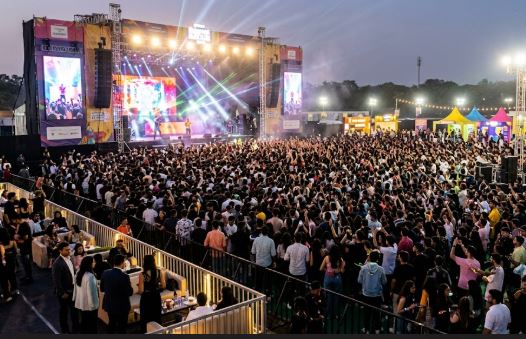
From sold-out concerts and music festivals to exclusive hospitality lounges, live entertainment is becoming more than a source of leisure. It is emerging as a growing business opportunity as consumers increasingly spend on experiences that bring people together and create lasting memories.
Younger audiences, particularly millennials and Gen Z, are helping drive this shift. For many, attending a concert, watching a favourite performer live or participating in a large cultural event offers something that digital entertainment cannot fully replicate: the energy of a shared experience.
This changing behaviour is opening up opportunities across India’s entertainment economy. Event organisers, hospitality providers, travel companies, food businesses, technology platforms and local vendors are finding new ways to serve audiences before, during and after an event.
The commercial opportunity is also evolving. Selling tickets remains important, but businesses are increasingly looking at premium access, personalised services, brand partnerships and event-related travel to generate additional revenue.
India’s Live Events Industry Gains Momentum
India’s organised live events market has grown alongside rising consumer spending, wider digital ticketing access and increasing interest in both domestic and international performers. Large concerts and festivals are attracting audiences beyond their host cities, while corporate gatherings, cultural programmes and branded experiences are expanding the range of opportunities available to organisers.
This growth is creating demand for services that audiences may not always notice but that are essential to a successful event. These include stage construction, sound and lighting systems, event technology, security, catering, transport, accommodation and professional staffing.
The impact extends well beyond the entertainment venue. When a major event brings visitors into a city, restaurants, hotels, taxi operators, shops and other local businesses can benefit from the additional spending.
For small businesses, these events can offer valuable opportunities to secure contracts, reach new customers and build relationships with larger organisers. However, the benefits depend on how effectively local suppliers are included in the event’s planning and delivery.
Premium Experiences Create New Revenue Streams
The business of live entertainment is increasingly moving beyond standard admission. Organisers are introducing premium tickets, priority entry, better viewing areas, private lounges and hospitality packages for audiences seeking greater comfort and convenience.
Affluent consumers and corporate clients may be willing to pay more for these services, particularly when the experience includes personalised attention, exclusive access or opportunities to entertain business associates.
For organisers, premium offerings can increase revenue per attendee and diversify income beyond general ticket sales. They can also create opportunities for hospitality partners, luxury service providers and brands seeking access to specific customer groups.
However, premium pricing must come with a clear benefit. Customers expect the experience to justify the additional expense, whether through improved facilities, smoother entry, better service or a more comfortable environment.
At the same time, affordable tickets remain essential. An industry focused exclusively on high-spending customers risks limiting its audience. A balanced pricing strategy can help organisers serve different consumer groups while protecting the commercial viability of an event.
Concert Tourism Extends the Economic Impact
A major concert can influence an entire city’s local economy. Fans travelling from other cities or states often spend on accommodation, transport, restaurants, shopping and sightseeing in addition to purchasing tickets.
This growing connection between entertainment and travel creates opportunities for hotels, travel agencies, restaurants and local transport operators. It can also give cities another reason to attract visitors beyond traditional tourism seasons.
The benefits can reach smaller businesses as well. Food vendors, merchandise sellers, temporary workers, photographers and local service providers may find additional demand around major events.
For destinations, a regular calendar of concerts and cultural programmes can help strengthen their appeal to visitors. But turning an event into a successful tourism opportunity requires planning. Transport availability, hotel capacity, crowd management and public facilities all influence the visitor experience.
If these services are poorly coordinated, congestion and inconvenience can undermine the economic benefits. A successful concert economy therefore depends as much on the surrounding infrastructure as on the performance itself.
Brands Find New Ways to Connect With Consumers
Live events are also becoming an important part of brand marketing. Instead of communicating with consumers only through advertisements, businesses can create opportunities for people to interact directly with their products and services.
Product demonstrations, sampling counters, interactive installations, sponsored lounges and on-ground activities allow brands to become part of the event experience. These interactions can encourage consumers to explore a product, engage with a campaign and share their experiences online.
For businesses, the value lies in creating a meaningful connection rather than simply placing a logo at a venue. A well-planned activation can help improve brand awareness, generate customer leads and strengthen relationships with existing buyers.
The approach is particularly relevant for brands targeting younger consumers, who often discover products through a combination of social media, recommendations and real-world experiences.
However, sponsorship spending needs to deliver measurable results. Businesses should assess audience engagement, customer enquiries, conversions and post-event response rather than treating visibility alone as a measure of success.
Infrastructure and Rising Costs Remain Major Challenges
Despite the industry’s growth, organising large events in India can be complicated by the limited availability of suitable permanent venues. In some markets, organisers must rely on stadiums, open grounds or temporary structures, adding to setup requirements and operational costs.
Large events also involve multiple moving parts, including permissions, security, crowd management, emergency planning, transport, power supply and technical production. Delays in any one area can affect the entire operation.
Costs create another challenge. Venue rentals, equipment, insurance, artist fees and skilled personnel can place significant pressure on event budgets. Organisers must manage these expenses while setting ticket prices that audiences are prepared to pay.
Safety and customer trust are equally important. Clear entry procedures, accessible facilities, reliable ticketing, well-planned exits and effective emergency arrangements are essential to protecting attendees and maintaining the industry’s reputation.
Greater investment in permanent venues, trained professionals and better coordination between organisers and authorities could help address some of these constraints.
Opportunities for Small Businesses and Startups
The expanding live events economy is creating opportunities for businesses that can solve practical problems and deliver dependable services.
Startups can develop digital ticketing systems, event discovery platforms, cashless payment solutions and tools that help organisers understand audience preferences. Technology can also improve registration, entry management and communication with attendees.
Small businesses can participate through catering, merchandise, photography, creative services, equipment rentals, transport and temporary staffing. Specialist providers offering premium hospitality and guest management may also find demand as organisers expand their service offerings.
Yet these opportunities come with financial risks. Event-related work can be seasonal, payments may be delayed and cancellations can leave suppliers with unrecovered expenses. Businesses should evaluate contract terms, advance payments, working-capital requirements and the reliability of clients before committing significant resources.
For smaller suppliers, the most sustainable approach is to build repeat relationships and diversify across different event types rather than depend on a single large programme.
Building a More Sustainable Live Events Economy
The industry’s future will depend on its ability to deliver memorable experiences without overlooking affordability, safety and operational responsibility.
Investment in better venues, skilled workers and modern event technology can improve service quality and reduce avoidable costs. Stronger coordination among organisers, transport providers, local authorities and hospitality businesses can also make events easier to manage.
Environmental planning is becoming increasingly relevant as well. Waste reduction, reusable materials, responsible energy use and efficient transport arrangements can help limit the impact of large gatherings.
Most importantly, organisers need to understand what audiences value. Premium access may appeal to some customers, while others prioritise reasonable ticket prices, convenient transport and a well-organised event. Listening to these expectations can help businesses develop experiences that attract repeat attendance.
Conclusion
India’s live events industry is creating a wider business ecosystem in which entertainment, travel, hospitality, marketing and local commerce increasingly work together. The growing demand for premium experiences is opening new revenue streams, but the industry’s long-term success will depend on more than selling expensive tickets or attracting large crowds.
Businesses that combine quality service with sensible pricing, reliable operations and genuine customer engagement will be better positioned to benefit from this growth. With stronger infrastructure and greater opportunities for smaller suppliers, live entertainment can become a more sustainable source of economic activity, employment and business development across India.