Pic Credit: Pexel
India’s affordable healthcare market is entering a period of transformation as technology creates new ways to deliver medical services beyond major cities. From digital consultations and remote diagnostics to technology-enabled local clinics, new healthcare models are helping address gaps in access, affordability and the availability of medical professionals.
For millions of people in smaller towns and rural communities, visiting a specialist can mean travelling long distances, losing a day’s wages and paying additional costs for consultations and tests. Technology-enabled clinics are emerging as a practical way to bring basic healthcare services closer to where people live, while connecting patients with qualified doctors when specialised advice is needed.
As healthcare demand grows, the combination of digital infrastructure, local medical facilities and affordable diagnostic solutions could become an important driver of India’s healthcare development.
Rising Healthcare Costs Create Demand for Affordable Services
The cost of medical treatment remains a major concern for Indian households. Consultation fees, diagnostic tests, medicines and hospital expenses can place considerable pressure on family budgets, particularly when treatment is required over an extended period.
Access is another challenge. Healthcare facilities and specialists are unevenly distributed, leaving some communities with limited options for timely diagnosis and treatment. These gaps can lead to delayed medical attention, allowing otherwise manageable conditions to become more serious.
India’s affordable healthcare market is therefore increasingly focused on solutions that can reduce unnecessary travel, improve early diagnosis and make routine consultations more convenient. Technology-enabled clinics can support this shift by combining local access with digital medical services.
The objective is not simply to make healthcare digital. It is to make reliable medical care more accessible without adding unnecessary costs for patients.
Technology-Enabled Clinics Bring Care Closer to Communities
Technology-enabled clinics combine basic medical facilities, digital consultation systems and diagnostic tools to improve access to healthcare. Patients can visit a local centre for an initial assessment, basic tests or routine health checks, while doctors at larger facilities can provide consultations remotely where appropriate.
This model can be particularly useful in areas where specialist services are limited. Instead of travelling to a distant city for every consultation, patients may be able to receive initial medical advice locally and be referred for in-person treatment when necessary.
Local clinics can also support the management of common health conditions, preventive screening and follow-up appointments. When supported by trained healthcare workers and reliable referral systems, these facilities can help improve continuity of care.
For healthcare providers, smaller technology-enabled centres may offer an alternative to establishing large hospitals in every location. However, their success depends on suitable infrastructure, qualified staff, patient trust and clear standards for diagnosis and treatment.
Telemedicine Expands Access to Medical Advice
Telemedicine is becoming an important part of India’s digital healthcare ecosystem. Government-supported services such as eSanjeevani demonstrate how remote consultations can connect patients with healthcare professionals without requiring every interaction to take place in a hospital.
For patients in remote areas, telemedicine can reduce travel time and associated expenses. It can also help people access follow-up consultations and medical advice when visiting a specialist in person is difficult.
The model can benefit healthcare systems by improving the use of available medical expertise. Doctors can support patients across wider geographical areas, while local health workers assist with basic assessments and coordination.
However, telemedicine is not suitable for every medical situation. Emergency conditions, physical examinations and certain diagnostic procedures still require in-person care. A strong referral system is therefore essential to ensure that convenience does not come at the expense of patient safety.
AI and Digital Health Infrastructure Improve Efficiency
Artificial intelligence and digital health systems are creating further opportunities to improve healthcare delivery. AI-supported tools can assist with administrative tasks, patient registration, preliminary triage and clinical documentation, helping healthcare professionals manage their workloads more efficiently.
Digital patient records can also make it easier to organise medical information and coordinate care between facilities, subject to appropriate consent, privacy safeguards and data security.
India’s Ayushman Bharat Digital Mission is supporting the development of digital health infrastructure intended to improve the exchange of health information and connections between patients and healthcare providers.
For smaller clinics, effective digital systems can reduce paperwork, improve appointment management and support follow-up care. These improvements may help control operating costs over time, although technology adoption also requires investment in equipment, training, maintenance and cybersecurity.
AI should remain a support tool rather than a replacement for qualified medical judgement. Clinical decisions must continue to rely on appropriate medical assessment and professional responsibility.
Affordable Diagnostics and Local Innovation Create Business Opportunities
The growth of India’s affordable healthcare market is opening opportunities across diagnostic services, medical devices, telehealth platforms and clinic management technology.
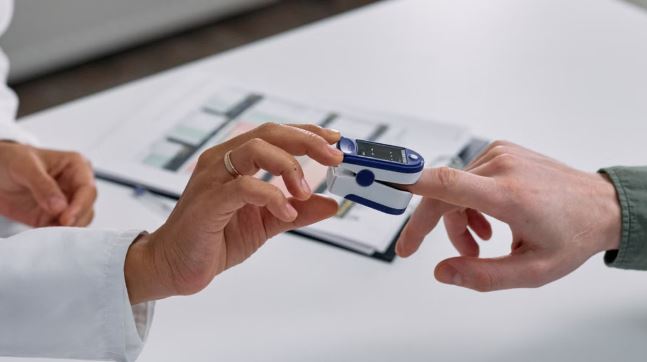
Low-cost point-of-care testing equipment can help healthcare workers conduct selected basic tests closer to patients. Portable diagnostic devices may also support screening and monitoring in locations where conventional laboratory facilities are difficult to access.
Healthcare businesses can explore smaller clinic formats, partnerships with existing medical facilities and digital consultation networks to extend their reach. Technology providers can develop solutions suited to clinics with limited budgets, while diagnostic companies can work towards making essential tests more accessible.
These models may also create local employment opportunities for trained healthcare workers, technicians and clinic support staff.
Nevertheless, affordable healthcare requires more than low-cost equipment. Diagnostic accuracy, trained personnel, dependable electricity and internet connectivity, maintenance and access to medicines all influence the quality of care. Providers must balance efficiency with clinical standards and transparent pricing.
The Road Ahead for India’s Affordable Healthcare Market
Technology-enabled clinics have the potential to strengthen India’s healthcare network by connecting local communities with medical expertise, diagnostic services and digital infrastructure. Their greatest value may lie in making routine care more convenient, supporting preventive screening and helping patients receive timely referrals.
The next phase of growth will depend on whether these services can remain financially sustainable while meeting the needs of underserved populations. Public and private investment, appropriate regulation, workforce training and stronger digital infrastructure will all play important roles.
Ultimately, the success of India’s affordable healthcare market will not be measured by the number of digital platforms or clinics established alone. It will depend on whether patients can obtain reliable treatment at a manageable cost, closer to home and without compromising quality.
By combining technology with accessible local healthcare, India has an opportunity to build a more inclusive system that serves both patients and the long-term needs of the healthcare industry.