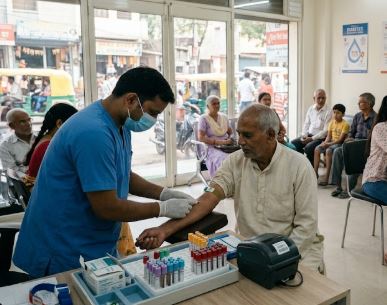
Healthcare in India is gradually moving beyond treating illnesses after they appear, with greater attention being given to early detection and regular health monitoring. As people become more aware of lifestyle-related diseases and the financial burden of medical treatment, preventive healthcare is gaining importance in household health planning.
This shift is creating fresh momentum for India’s affordable diagnostics market, where accessible testing can help people identify potential health risks and seek medical advice sooner. For families managing rising living expenses, reasonably priced diagnostic services can make routine health checks easier to afford.
The opportunity extends beyond patients. Diagnostic laboratories, hospitals, healthcare startups and technology companies are finding new ways to make testing more convenient and efficient. However, lasting growth will depend on balancing affordability with accuracy, reliable service and patient trust.
Growing Awareness Encourages Preventive Screening
Conditions such as diabetes, high cholesterol and cardiovascular disease can develop without obvious symptoms in their early stages. Appropriate screening can help identify certain health risks before they become more difficult to manage.
As awareness of these conditions grows, more people are considering routine health assessments. Employers are also showing interest in employee wellness initiatives, while families are increasingly looking for convenient ways to monitor their health.
This creates an opportunity for diagnostic providers to offer accessible testing and clearly explained health packages. However, screening needs vary from person to person. Tests should be selected according to age, medical history and individual risk, with guidance from qualified healthcare professionals where appropriate.
For the industry, the goal is not simply to increase the number of tests performed, but to make relevant, reliable testing easier for people to access.
Affordable Testing Brings Healthcare Closer to Households
The cost and inconvenience of diagnostic testing can discourage people from seeking timely medical advice. High travel expenses, long waiting times and limited access to nearby laboratories can create additional barriers, particularly for older adults and families living outside major cities.
Affordable test packages, neighbourhood collection centres and home sample collection are helping address some of these challenges. Online booking and digital reports can further simplify the process, allowing patients to arrange tests without unnecessary visits.
For healthcare businesses, these services provide opportunities to reach new customer groups and improve convenience. In smaller towns, local partnerships and well-managed collection networks can help extend access without requiring every provider to establish a large laboratory.
The success of these models will depend on maintaining dependable sample handling, accurate results and timely reporting, even as providers compete on price.
Digital Technology Creates New Opportunities for Diagnostic Businesses
Technology is changing how diagnostic services are delivered and managed. Online appointments, digital payments and electronic reports have made several parts of the testing process more convenient. Laboratory management systems can also help providers track samples, organise workloads and reduce administrative delays.
Automation may improve operational efficiency by reducing repetitive tasks and supporting consistent laboratory processes. For businesses operating across multiple locations, digital systems can make it easier to coordinate services and monitor performance.
These benefits come with responsibilities. Diagnostic providers handle sensitive medical information and must take appropriate measures to protect patient records. Technology should strengthen accuracy and efficiency, not replace professional expertise or essential quality checks.
Providers that combine convenient digital services with dependable laboratory practices can build stronger relationships with patients and healthcare partners.
Business Growth Beyond Traditional Laboratories
The expansion of preventive healthcare is creating opportunities across the diagnostic services ecosystem. Established laboratories can broaden their service networks, while smaller businesses may explore sample collection, home testing coordination and partnerships with recognised providers.
Healthcare technology companies can support appointment systems, reporting platforms and laboratory operations. Employers and healthcare institutions may also create demand for organised screening services, subject to appropriate medical guidance.
For small businesses, partnerships can offer a practical route into the sector without the cost of establishing a complete diagnostic facility. However, entrepreneurs must assess local demand, operating expenses, staffing requirements and applicable quality and regulatory standards before investing.
A sustainable business model must deliver convenience without compromising the reliability of test results.
Quality and Trust Will Determine Long-Term Success
When it comes to healthcare, low prices alone are not enough. Patients need confidence that their samples are handled correctly, tests are performed to appropriate standards and reports are communicated clearly.
Diagnostic providers must invest in suitable equipment, trained personnel and consistent quality-control procedures. Transparent pricing and responsible handling of patient information are equally important.
Clear communication also matters because a test result does not always provide a complete diagnosis. Some findings require additional investigation or interpretation by a qualified healthcare professional. Helping patients understand the purpose and limitations of testing can reduce confusion and encourage appropriate follow-up.
For diagnostic businesses, quality is not merely an operational requirement. It is central to reputation, repeat usage and long-term customer confidence.
Challenges the Industry Must Address
Despite the opportunities, affordable diagnostics providers face pressure from price competition, infrastructure costs and the need for skilled staff. Smaller laboratories may find it difficult to invest in modern equipment and maintain consistent quality standards while keeping prices accessible.
Access is another challenge. In underserved areas, transport difficulties, limited healthcare infrastructure and lower awareness can restrict the use of diagnostic services. Digital platforms can improve convenience, but they cannot fully replace the need for accessible physical facilities and qualified healthcare professionals.
Data security also requires sustained attention as more patient information moves through digital systems. Businesses must protect sensitive records and ensure that information is handled responsibly.
Addressing these challenges will require investment in workforce training, service infrastructure, quality assurance and public awareness.
The Road Ahead for India’s Affordable Diagnostics Market
India’s affordable diagnostics market is becoming an important part of the broader shift towards preventive healthcare. Greater awareness, convenient testing models and digital service delivery are creating opportunities to improve access while supporting the growth of healthcare businesses.
The next phase of development will depend on making services accessible without sacrificing accuracy or patient safety. Providers that combine fair pricing with dependable testing, transparent communication and strong quality controls will be better positioned to earn public trust.
For the healthcare industry, the opportunity is to build services around people’s real needs: tests that are appropriate, accessible and reliable. For households, better access to diagnostics can support informed health decisions and timely medical care.
Ultimately, the long-term value of affordable diagnostics will be measured not by the number of tests sold, but by how effectively reliable testing helps people access the care they need.