
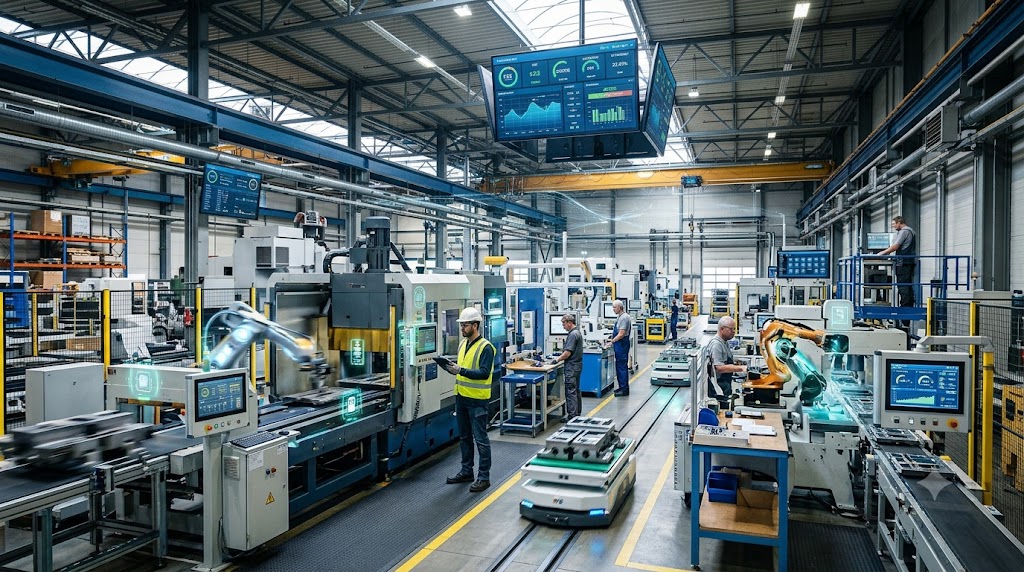
Digital transformation is changing how traditional manufacturing businesses operate, manage costs and compete in an increasingly demanding market. Technologies such as artificial intelligence (AI), connected machinery, cloud computing and industrial automation are helping factories move beyond manual processes towards more efficient, data-driven operations.
For manufacturers, this shift is about more than adopting new technology. It is about improving productivity, reducing production delays, maintaining consistent quality and responding more quickly to customer demand. As businesses face pressure from rising operating expenses, supply chain uncertainties and changing market expectations, digital tools are becoming an important part of long-term growth strategies.
Smart Technology Is Reshaping Factory Operations
Traditional manufacturing businesses have often relied on manual records, periodic inspections and separate systems to manage production. These methods can make it difficult to identify inefficiencies quickly, particularly when factories operate across multiple production lines or locations.
Digital systems bring machinery, production data and business processes into a more connected environment. Sensors can monitor equipment performance, while centralised dashboards help managers track production output, material use and machine downtime.
This visibility allows businesses to identify operational problems earlier and make decisions based on real-time information. For small and medium-sized manufacturers, even gradual improvements in production planning and resource management can help control costs and strengthen competitiveness.
Predictive Maintenance Reduces Costly Downtime
Unexpected equipment failures can disrupt production schedules, delay customer orders and increase repair expenses. Traditional maintenance methods often depend on fixed servicing intervals or repairs after a machine develops a problem.
Connected sensors and data analytics offer a more proactive approach. By monitoring factors such as temperature, vibration and operating performance, digital systems can help identify warning signs before equipment fails.
Predictive maintenance allows manufacturers to plan repairs more effectively, reduce avoidable interruptions and make better use of maintenance budgets. However, its effectiveness depends on reliable data, suitable equipment and the ability of workers to interpret and act on system alerts.
Artificial Intelligence Improves Quality and Efficiency
Artificial intelligence is creating new opportunities to improve production planning, inspect products and identify inefficiencies. Machine vision systems can examine products for visible defects, while analytical tools can help manufacturers identify patterns in production data.
These capabilities can reduce dependence on repetitive manual inspections and help businesses detect quality issues earlier in the manufacturing process. Better forecasting can also improve inventory planning and reduce the risk of excess stock or shortages.
For manufacturers, the business benefit lies in limiting waste, improving consistency and reducing the costs associated with defective products and rework. Human oversight remains important, particularly when automated systems make decisions that affect product safety or quality.
Flexible Manufacturing Meets Changing Customer Demand
Customer expectations are changing, with businesses increasingly seeking customised products, shorter delivery times and greater flexibility. Traditional production systems designed around large batches of identical goods may struggle to respond quickly to these requirements.
Digital production planning, programmable machinery and advanced robotics can help manufacturers adjust production schedules and accommodate different product specifications. Digital design tools also allow engineers to test product changes virtually before committing resources to physical production.
Greater flexibility can help manufacturers serve specialised markets and respond more quickly to changes in demand. However, the benefits depend on investment costs, workforce capabilities and the complexity of existing production systems.
Digital Tools Support Energy Efficiency and Sustainability
Energy consumption, material waste and emissions are becoming important considerations for manufacturing businesses. Digital monitoring systems can help factories understand where electricity, water and raw materials are being used inefficiently.
By tracking consumption and identifying unusual patterns, manufacturers can make more informed decisions about equipment use, production schedules and resource allocation. Better monitoring of material scrap can also help reduce waste and improve the utilisation of raw materials.
These improvements can lower operating expenses while supporting environmental objectives. For businesses facing tighter customer expectations or regulatory requirements, reliable operational data can also improve reporting and accountability.
Challenges That Manufacturers Cannot Ignore
Despite its advantages, digital transformation requires careful planning and investment. Integrating modern systems with older machinery can be expensive, while new software and equipment may require changes to established workflows.
A shortage of workers with digital and technical skills can also slow implementation. Manufacturers need to invest in employee training so that workers can operate new systems, interpret information and respond to technical problems.
Cybersecurity is another major concern. Connecting factory equipment to digital networks can expose production systems to cyberattacks, data theft and operational disruption. Businesses must therefore establish appropriate access controls, security monitoring, backup arrangements and recovery plans.
For small and medium-sized enterprises, the most practical approach may be to introduce technology in stages, prioritising areas where improvements can be measured against clear business objectives.
The Business Case for Digital Manufacturing
Digital transformation is increasingly becoming a strategic consideration for manufacturers seeking to remain competitive. Better equipment utilisation, improved quality control and more accurate planning can support stronger margins and more reliable customer service.
However, technology adoption should be guided by business needs rather than the pressure to follow industry trends. Manufacturers need to evaluate implementation costs, expected savings, training requirements and long-term maintenance before committing significant capital.
Starting with specific operational problems can make the transition more manageable. Once measurable improvements are achieved, businesses can expand successful solutions across other production processes.
Conclusion
Digital transformation is changing traditional manufacturing by connecting production processes, improving access to operational data and helping businesses respond more effectively to changing market conditions. From predictive maintenance to automated quality checks, these technologies offer opportunities to improve efficiency while controlling costs and reducing waste.
The transition, however, requires more than investment in machinery and software. Manufacturers must develop digital skills, protect connected systems and ensure that technology delivers practical business value.
Businesses that approach digital transformation with clear priorities and realistic investment plans can strengthen their operations and prepare for future competition. For traditional manufacturers, the goal is not simply to modernise factories, but to build more productive, adaptable and resilient businesses.