
Education is undergoing a significant transformation. The traditional approach of teaching every student at the same pace, using the same methods and materials, is gradually giving way to a more personalized learning experience. In 2026, adaptive technology, artificial intelligence (AI), and data-driven insights are helping educators create learning environments that respond to individual needs, abilities, and interests.
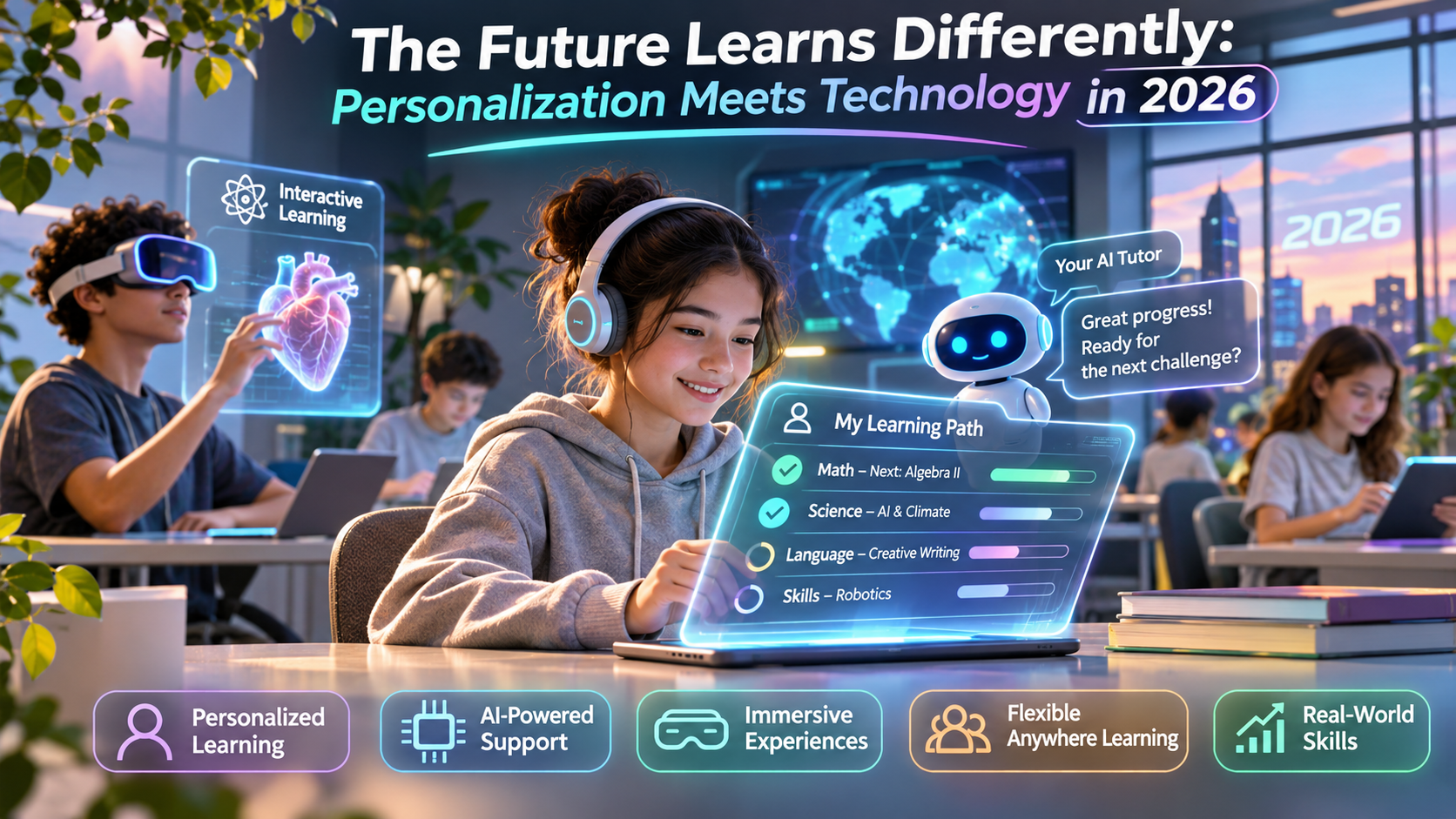
The future of education is no longer simply about delivering information; it is about understanding how each learner learns best.
The Rise of Personalized Learning
Every student has a unique learning style, pace, and level of understanding. While some grasp concepts quickly through visual explanations, others benefit from practical exercises, discussions, or repeated practice.
Personalized learning addresses these differences by tailoring educational content, teaching strategies, and learning activities to individual requirements. Instead of following a rigid, one-size-fits-all approach, students can progress according to their abilities while receiving targeted support where needed.
This approach encourages greater engagement, builds confidence, and creates opportunities for more meaningful learning.
How Adaptive Technology Is Transforming Education
Adaptive learning technology is becoming an important part of modern education. These platforms use artificial intelligence and learning analytics to assess student performance and adjust learning materials accordingly.
For example, if a student struggles with a mathematical concept, an adaptive platform can provide additional explanations, practice questions, and alternative learning resources. Students who demonstrate stronger understanding can move towards more advanced topics.
These real-time adjustments help identify learning gaps early and provide targeted support before difficulties become more challenging.
Artificial Intelligence: A Personal Learning Assistant
AI is expanding the possibilities of personalized education. AI-powered tutors and educational assistants can explain complex topics, generate practice questions, provide instant feedback, and support independent learning.
Students can ask questions, revisit difficult concepts, and receive explanations at their own pace. Educators can also use AI to develop lesson plans, create learning materials, and identify areas where students may need additional attention.
According to the OECD’s Digital Education Outlook 2026, generative AI has considerable potential to support personalized learning and improve feedback when integrated with effective teaching strategies.
However, AI should complement teachers rather than replace them. Human guidance, encouragement, and interaction remain essential to meaningful education.
Data-Driven Insights for Better Learning Outcomes
One of the biggest advantages of educational technology is its ability to turn learning activities into useful insights.
Learning analytics can help educators understand student progress, identify recurring difficulties, and monitor performance over time. Rather than relying exclusively on traditional examinations, teachers can use these insights to make more informed instructional decisions.
For students, progress tracking can highlight strengths, reveal areas for improvement, and encourage greater responsibility for their learning journey.
When used appropriately, these insights can make education more responsive and effective.
Making Education More Inclusive and Accessible
Personalized learning also has the potential to make education more inclusive. Students with different abilities, language backgrounds, and learning requirements can benefit from flexible educational resources.
Features such as text-to-speech, speech recognition, multilingual learning support, interactive exercises, and adjustable content formats can help remove barriers to participation.
Digital learning platforms can also extend educational opportunities to students in remote areas. However, reliable internet connectivity, affordable devices, and digital literacy remain important requirements for equitable access.
Technology can create opportunities, but those opportunities must be accessible to everyone.
The Challenges of Technology-Driven Education
Despite its advantages, personalized learning comes with important challenges.
Data privacy and security: Educational platforms collect information about student performance and learning behaviour. Protecting this information must remain a priority.
Digital inequality: Not every student has access to reliable internet, suitable devices, or quality digital resources.
Overdependence on AI: Excessive reliance on automated answers may reduce independent thinking, creativity, and problem-solving abilities.
Teacher preparedness: Educators need appropriate training to integrate technology effectively into their teaching practices.
Addressing these challenges requires responsible technology adoption, clear policies, and continued investment in teacher development.
The Future: A Partnership Between Teachers and Technology
The future of education will not be defined by technology alone. Instead, it will depend on how effectively educators combine digital innovation with human understanding.
AI can analyse performance, recommend learning resources, and provide immediate feedback. Teachers bring empathy, experience, creativity, mentorship, and the ability to understand students beyond their academic scores.
This partnership can create learning environments that are both technologically advanced and deeply human-centred.
Conclusion
In 2026, personalized learning is moving beyond being an educational concept to becoming an increasingly practical approach to teaching and learning. Adaptive platforms, artificial intelligence, and learning analytics are creating new possibilities for delivering education that responds to individual needs.
However, the real measure of educational innovation is not how much technology a classroom uses, but how effectively it helps students understand, grow, and succeed.