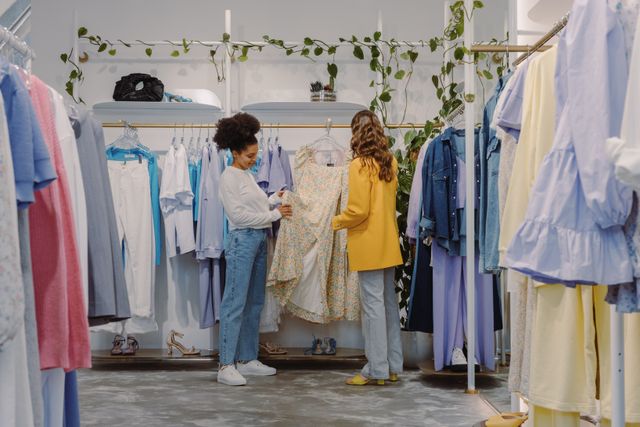
Pic Credit: Pexel
The fashion industry is experiencing a shift in the way people buy, wear and value clothing. For years, shopping was largely associated with purchasing new collections and following changing trends. Today, however, more consumers are discovering the value of pre-owned clothing. Second-hand fashion is becoming an important part of modern retail, driven by affordability, changing shopping habits and growing interest in reducing waste.
What was once considered a niche market is gradually entering mainstream fashion. Consumers are increasingly comfortable buying pre-owned dresses, jackets, footwear, accessories and branded clothing, provided the products are clean, authentic and reasonably priced. For many shoppers, second-hand fashion is no longer simply about saving money. It is also about finding distinctive styles and making more thoughtful purchasing decisions.
This shift is creating an opportunity for circular retail, a business model that keeps products in use for longer instead of allowing them to become waste after a short period.
Why Second-Hand Fashion Is Gaining Popularity
One of the biggest reasons behind the growth of second-hand fashion is the rising cost of living. As households become more careful about spending, pre-owned clothing offers an alternative to expensive retail purchases. Shoppers can often find quality garments at lower prices without completely compromising on style.
Changing consumer attitudes are also contributing to this trend. Younger shoppers, particularly those who enjoy experimenting with personal style, are showing interest in vintage clothing, limited-edition pieces and unusual designs that may not be available in regular stores.
Digital platforms have made the experience easier. Buyers can browse products, compare prices, check photographs and purchase clothing without visiting multiple physical shops. Sellers, meanwhile, can reach customers beyond their local markets.
Social media has further helped normalise resale shopping. Fashion creators and everyday consumers regularly showcase thrifted outfits, styling ideas and second-hand discoveries, making pre-owned clothing more visible and appealing.
Circular Retail Is Changing the Fashion Business
Traditional retail generally follows a linear model: products are manufactured, sold, used and eventually discarded. Circular retail takes a different approach by extending the life of products through resale, repair, reuse, rental and recycling.
In fashion, this means a garment does not necessarily reach the end of its commercial value when its first owner stops wearing it. It can be cleaned, repaired, resold and used by another customer.
This model creates multiple opportunities for businesses. Retailers can develop resale sections, entrepreneurs can build curated thrift stores, and digital platforms can connect people who want to sell clothing with those looking for affordable purchases.
It also encourages businesses to think beyond the first sale. Instead of focusing only on selling new products, brands and retailers can explore ways to generate value throughout a garment’s life cycle.
New Opportunities for Entrepreneurs and Small Businesses
The expansion of second-hand fashion is creating space for businesses of different sizes. Entrepreneurs do not necessarily need to establish a large retail operation to enter the market. A small online store, curated clothing collection or local resale business can provide an entry point.
Some promising business opportunities include:
Online resale platforms: Digital marketplaces can connect individual sellers, thrift stores and buyers through a convenient shopping experience.
Curated thrift stores: Businesses can specialise in selected categories such as vintage clothing, premium pre-owned fashion, children’s wear or occasion wear.
Clothing repair and alteration: Tailoring, restoration and repair services can help extend the useful life of garments while creating income for skilled workers.
Authentication and quality checking: As demand for pre-owned branded products grows, businesses can offer verification, inspection and quality-assessment services.
Rental and wardrobe services: Clothing rental models can serve customers who need outfits for weddings, celebrations, professional events and other occasions without purchasing new garments every time.
These models can support small businesses, independent sellers, designers, tailors and logistics providers. They also create opportunities for local entrepreneurs to build specialised retail services around changing consumer preferences.
The Role of Technology in Making Resale Easier
Technology is becoming an important part of the second-hand fashion ecosystem. Online marketplaces allow sellers to list products, upload photographs, set prices and communicate with potential buyers. Digital payments and delivery services make transactions more convenient.
Artificial intelligence and data analytics can further improve the shopping experience. Platforms can use customer preferences to recommend relevant products, identify popular categories and help sellers understand pricing trends.
However, technology alone cannot build customer confidence. Buyers need accurate product descriptions, clear photographs, transparent return policies and reliable information about garment condition. For premium and branded clothing, authentication is particularly important.
Businesses that combine digital convenience with dependable product standards are more likely to build long-term customer relationships.
Sustainability: An Opportunity With Real Responsibilities
The environmental argument for second-hand fashion is closely connected to the growing problem of textile waste. Producing clothing requires raw materials, water, energy, labour and transportation. When garments are discarded after limited use, much of that investment is lost.
Reselling and reusing clothing can reduce the need for some new purchases and help keep usable garments out of waste streams. Repairing damaged clothing and encouraging longer use can also support more responsible consumption.
However, second-hand fashion should not automatically be described as completely sustainable. Frequent buying, unnecessary shipping, poor-quality products and the disposal of unsold garments can still create environmental costs.
For circular retail to deliver meaningful benefits, businesses must focus on product durability, responsible sourcing, efficient delivery, repair services and proper textile recycling.
The real opportunity lies in helping consumers buy more thoughtfully and use clothing for longer.
Challenges That Businesses Must Address
Despite its potential, the second-hand fashion market faces several challenges. Product quality can vary significantly, and customers may hesitate to purchase clothing without physically inspecting it. Concerns about hygiene, sizing, authenticity and returns can also affect buying decisions.
Inventory management is another difficulty. Unlike conventional retail, where businesses can often order standardised products in bulk, resale businesses depend on individual garments with different sizes, conditions and availability.
To overcome these issues, retailers need clear grading systems, proper cleaning procedures, accurate descriptions and transparent pricing. Strong customer service and reliable delivery are equally important.
Businesses must also avoid treating every pre-owned item as a premium product. Fair pricing and honest communication are essential to building trust in this market.
How Circular Fashion Could Shape the Future of Retail
The growth of second-hand fashion reflects a wider change in consumer behaviour. People are increasingly looking for value, variety and convenience, while businesses are exploring ways to reduce waste and create additional revenue streams.
In the coming years, resale, rental, repair and clothing refurbishment could become more closely connected with mainstream retail. Traditional fashion stores may explore pre-owned collections, while independent businesses could specialise in vintage fashion, garment restoration and online resale.
For India, this creates an opportunity to connect digital retail growth with local entrepreneurship. Small sellers, tailoring units, thrift businesses and online marketplaces can participate in a growing ecosystem that gives clothing a longer commercial life.
The next phase of fashion retail may not depend entirely on how many new garments businesses can sell. It may also depend on how effectively they can extend the value of products already in circulation.
Conclusion
Second-hand fashion is becoming more than an affordable shopping alternative. It represents a change in how consumers understand ownership, value and the life cycle of clothing. For retailers and entrepreneurs, this shift is opening opportunities in resale, repair, rental, authentication and digital commerce.
Circular retail will not replace traditional fashion overnight, but it can become an important part of the industry’s future. Businesses that prioritise quality, customer trust and responsible operations can turn the growing interest in pre-owned clothing into a sustainable commercial opportunity.
The future of fashion may not always begin with something new. Increasingly, it may come from giving something already made a second life.