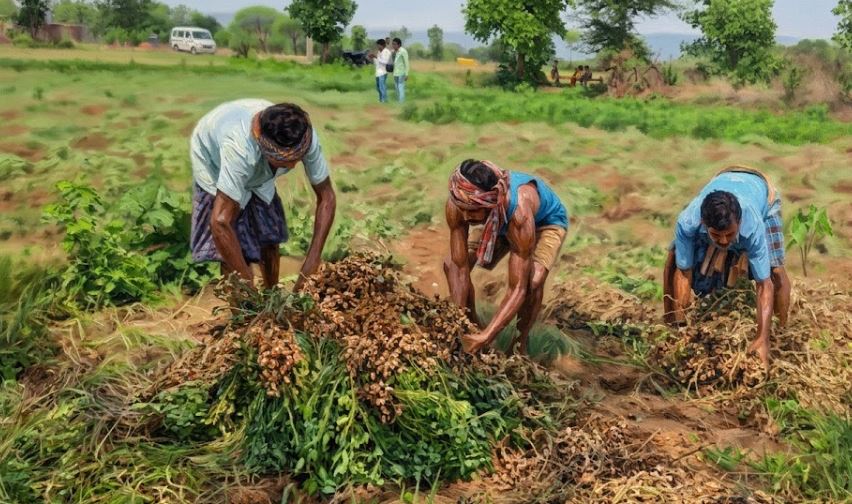
For millions of small farmers in India, making a living from agriculture is becoming increasingly challenging. Rising prices of seeds, fertilisers, fuel and pesticides continue to put pressure on earnings, while unpredictable weather and fluctuating crop prices make it difficult to plan for the next season. Even after months of hard work, farmers may find that their income is not enough to cover cultivation expenses and household needs.
Technology for small farmers in India is emerging as one way to address these challenges. From mobile-based weather forecasts to digital marketplaces and affordable farm machinery, new tools are helping farmers make informed decisions, manage resources and explore better opportunities to sell their produce.
Small and marginal farmers account for more than 85% of India’s farming households, according to widely cited agricultural estimates. Their access to affordable and practical technology will therefore play an important role in shaping the future of Indian agriculture. The objective is not simply to introduce digital tools, but to help farmers improve their earnings and make agriculture a more sustainable livelihood.
1. Digital Agriculture Is Improving Market Access
One of the biggest challenges for small farmers is getting a fair price for their produce. Many depend on nearby markets and traders because they lack information about prices elsewhere or cannot afford to transport their harvest to distant buyers. Perishable crops create additional pressure, as delays can lead to spoilage and financial losses.
Digital agriculture platforms are helping farmers access market information and connect with a wider network of buyers. The government’s Electronic National Agriculture Market (e-NAM) links participating agricultural markets through an online trading platform, with the aim of improving price discovery and creating broader trading opportunities.
Agri-tech services are also helping farmers explore connections with retailers, businesses and other buyers. Access to current price information can strengthen farmers’ bargaining power and help them decide when and where to sell.
However, a digital listing alone cannot guarantee higher earnings. Transport costs, storage facilities, produce quality and local demand still influence the final price. Combining online marketplaces with better logistics, warehousing and collective selling can make market access more useful for smallholders.
2. Precision Farming Can Reduce Cultivation Costs
Higher farm income does not always require a larger harvest. Sometimes, it depends on reducing the amount farmers spend to grow their crops.
Precision agriculture uses information about soil conditions, water availability and crop health to help farmers use resources more efficiently. Soil testing can identify nutrient deficiencies, while moisture monitoring can help determine when irrigation is needed. These measures may reduce unnecessary spending on fertilisers and water while supporting healthier crop growth.
Agricultural drones and satellite-based monitoring can also help identify crop stress, pest damage and other problems. For small farmers, renting these services may be more practical than purchasing expensive equipment.
Farmer Producer Organisations (FPOs), cooperatives and local service providers can make such technology more affordable by arranging shared access to machinery. This approach allows farmers to benefit from modern equipment without carrying the full cost of ownership.
The actual savings depend on the crop, local conditions and the quality of the service. Farmers need clear guidance and transparent pricing to ensure that technology delivers a measurable financial benefit.
3. AI and Weather Forecasts Can Help Protect Crops
Changing weather patterns have made farming decisions more difficult. Irregular rainfall, extreme heat, floods and pest outbreaks can damage crops and reduce the money farmers earn at harvest. Smallholders are particularly vulnerable because they often have limited savings to recover from a poor season.
Digital weather forecasts and crop advisory services can help farmers prepare for these risks. Mobile alerts may provide information about rainfall, temperature changes, irrigation requirements and potential pest problems. Image-based applications can also assist in identifying certain crop diseases and suggesting possible treatments.
For example, a timely rainfall warning may help a farmer adjust irrigation or avoid spraying pesticides immediately before heavy rain. Early information about pest risks can encourage preventive action before an infestation spreads.
For these services to be effective, advice must be relevant to local crops and conditions. Information in regional languages, simple mobile interfaces and support from agricultural extension workers can help farmers turn forecasts into practical decisions.
4. Digital Finance Can Improve Access to Agricultural Credit
Many farmers need money well before their crops generate income. Purchasing seeds, fertilisers and equipment requires upfront investment, while payment for produce may arrive only after harvest. When formal loans are difficult to obtain, farmers can become dependent on expensive informal borrowing.
Digital banking and agricultural finance services are creating additional ways to manage transactions and access formal financial systems. Reliable digital records, transparent payment histories and improved access to relevant land and crop information may help lenders assess certain borrowers more effectively.
Technology can also support the delivery of eligible government benefits and crop insurance services. Digital systems may simplify parts of the application and monitoring process, although access to compensation still depends on scheme rules, documentation and claim assessment.
Digital finance is not a complete solution to the agricultural credit gap. Farmers also need affordable interest rates, understandable loan conditions and timely payments. Financial services must remain accessible to people with limited digital skills or incomplete records.
5. Farmer Producer Organisations Can Make Technology Affordable
The cost of technology remains a major barrier for small farms. Advanced machinery, digital monitoring services and modern storage solutions may be financially out of reach for an individual farmer working on a small plot.
FPOs can help overcome this challenge by bringing farmers together to purchase inputs, hire equipment and market their produce collectively. When farmers combine their requirements, they may be able to negotiate better rates for machinery, transport and other services.
Collective marketing can also help farmers assemble larger quantities of produce, making it easier to approach institutional buyers. FPOs can provide a local support system for learning how to use digital platforms and understanding the costs and benefits of new agricultural tools.
Strong management and transparent operations are essential. Technology will create lasting value only when farmers can access services reliably and see clear improvements in their costs, productivity or selling prices.
Challenges That Could Slow Digital Farming in India
Despite its potential, digital agriculture faces several barriers. Poor connectivity in some rural areas, limited digital literacy and a shortage of locally relevant information can prevent farmers from using available services effectively.
Applications that are difficult to navigate or provide advice in unfamiliar languages may have limited value for farmers who need immediate, practical guidance. Smallholders may also hesitate to invest in technology when its benefits are uncertain or service providers are unreliable.
Addressing these issues requires simple digital tools, regional-language support, training and stronger links between technology providers and local agricultural institutions. Government agencies, financial institutions and private businesses also have a role in ensuring that farmers can access affordable services.
Most importantly, the success of digital farming should be measured by its impact on farmers’ livelihoods. Lower input costs, fewer crop losses, better market prices and more reliable income are stronger indicators of progress than the number of applications launched or devices distributed.
The Future of Technology for Small Farmers in India
Technology has the potential to make Indian agriculture more efficient and resilient, but it cannot solve every problem on its own. Farmers still need dependable irrigation, good-quality inputs, affordable credit, storage facilities, reliable transport and access to competitive markets.
When these essentials are supported by digital tools, small farmers can make better-informed decisions and manage some of the risks associated with cultivation. Market platforms can improve price awareness, precision farming can help control expenses, and weather advisories can support timely action against crop risks.
The real opportunity lies in making technology accessible to farmers regardless of the size of their landholdings or their familiarity with digital services.
For India, the future of agriculture should not be measured only by higher production. It should also be measured by whether farmers retain more of what they earn, withstand difficult seasons and build financially secure livelihoods. Technology can help move the sector towards that goal when it is affordable, practical and designed around the everyday needs of small farmers.