India’s recycling challenge begins long before waste reaches a recycling plant. In many cities, the problem starts at the household level and continues through collection, transportation and processing, turning potentially valuable materials into mixed garbage. Plastic, paper, metal and food waste that could be recovered often lose their value when they are collected together or handled without proper segregation.
The scale of the challenge is significant. According to the Economic Survey 2025–26, urban India generates approximately 1.6 lakh tonnes of municipal solid waste every day, with around 80% reported as processed nationally. Yet gaps in segregation quality, processing effectiveness and enforcement continue to affect local waste-management systems.
This reveals an important distinction: collecting waste is not the same as recycling it successfully. For India to build a more sustainable urban economy, cities must focus not only on removing garbage from streets but also on ensuring that reusable materials are recovered safely and efficiently.
The Problem Begins When Waste Is Mixed
Separating waste at home is one of the simplest ways to improve recycling, but the effort becomes ineffective if different waste streams are mixed during collection.
Consider a household that separates vegetable peels, leftover food, paper and plastic into different containers. If a collection vehicle combines everything in the same compartment, much of that effort is lost. Food residue can contaminate paper and other recyclables, making them harder to sort and less attractive to buyers.
The same problem can occur at community collection points and transfer stations. Without appropriate infrastructure and clear operating procedures, segregated waste may become mixed again before reaching a processing facility.
The consequences are both environmental and financial. Contaminated materials require additional sorting, increase operating costs and may be rejected by recyclers. Organic waste that could have been composted can also become unsuitable for processing when mixed with unsuitable materials.
Effective recycling therefore requires a complete chain of segregation, collection, transportation and processing. Improving only one part of the system cannot solve the problem.
Why Municipal Waste Systems Struggle
Urban local bodies are responsible for managing waste collection and disposal, but many face financial, logistical and operational constraints. Growing populations, expanding residential areas and rising consumption increase the volume and variety of waste that cities must handle.
Municipalities need suitable vehicles, trained workers, transfer stations, material recovery facilities and dependable processing capacity. Smaller cities may struggle to fund these systems, while larger urban centres must manage complex collection networks across densely populated neighbourhoods.
Contract design can also influence performance. If contractors are assessed mainly on how much waste they collect or transport, they may have limited incentives to preserve the quality of segregated materials. A stronger system would measure segregation rates, contamination levels, recycling outcomes and the amount of waste diverted from landfills.
Better monitoring can help municipalities identify weak points and allocate resources more effectively. It can also make contractors more accountable for what happens to waste after it leaves a household.
Informal Waste Workers Are Essential to Recycling
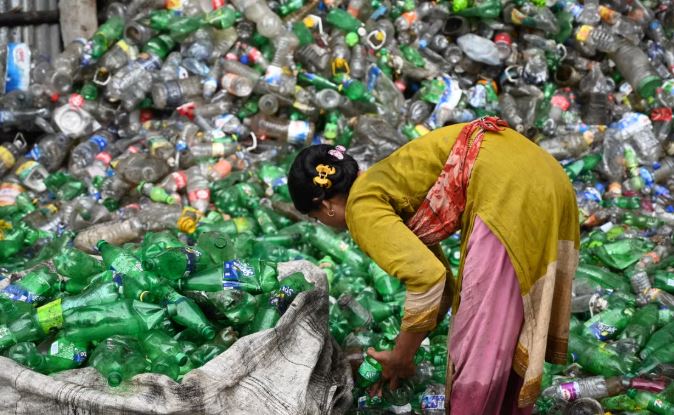
India’s informal waste sector plays an important role in recovering materials that would otherwise be discarded. Waste pickers, scrap dealers and small recycling businesses collect paper, cardboard, metals, plastics and other reusable items, supporting a network that connects discarded materials with buyers.
However, many workers operate without stable incomes, adequate protective equipment or formal recognition. Some hazardous recycling activities, particularly in parts of the electronic-waste sector, can expose workers and nearby communities to harmful substances.
Bringing these workers into organised waste-management systems could improve safety while strengthening material recovery. Municipalities can support worker cooperatives, establish authorised collection centres and create partnerships between informal collectors and formal recycling businesses.
Pune’s SWaCH cooperative demonstrates how organised waste collection can combine environmental services with livelihood opportunities. The model links waste pickers with households and helps recover recyclable materials while providing workers with a more structured role in the urban economy.
Recognising these workers is not merely a social consideration. Their experience, collection networks and knowledge of recyclable materials can help cities build more effective and inclusive recycling systems.
Recycling Is Also a Business Opportunity
Waste contains materials that can generate economic value when they are separated, processed and sold to suitable buyers. Paper, metals, plastics and other recoverable materials can supply industries with secondary raw materials, potentially reducing dependence on virgin resources.
A stronger recycling ecosystem can create opportunities for small businesses in collection, sorting, transportation, repair, refurbishment, composting and material processing. Technology providers can also develop digital tracking systems, sorting equipment and platforms that connect waste generators with authorised recyclers.
For manufacturers, reliable access to quality recycled materials can support resource efficiency. For municipalities, better recovery can reduce the volume of waste requiring final disposal, although the actual savings depend on local collection and processing costs.
The challenge is to make recycling commercially viable. Businesses need consistent supplies, predictable quality standards and reliable demand for recovered materials. When waste arrives contaminated or in irregular quantities, processing becomes more expensive and profits can shrink.
This is why municipal planning and private investment must work together. Recycling businesses cannot operate efficiently without a dependable collection system, and municipal systems cannot achieve better recovery without sufficient processing capacity and markets.
New Waste Rules Put Greater Emphasis on Segregation
India’s Solid Waste Management Rules, 2026, came into effect on April 1, 2026, replacing the 2016 rules. The revised framework introduces mandatory segregation into four streams: wet waste, dry waste, sanitary waste and special-care waste. It also strengthens provisions relating to processing, monitoring and environmental compensation for non-compliance.
These changes reinforce the principle that different types of waste require different handling methods. Wet waste can be directed towards composting or suitable biological processing, while dry recyclables can be sorted at material recovery facilities. Sanitary and special-care waste require appropriate separate collection and handling.
The effectiveness of the framework will depend on implementation at the local level. Households and businesses must follow segregation requirements, collection agencies must maintain separation, and municipalities must ensure that suitable facilities are available.
Regular inspections, reliable data and transparent reporting will be important in determining whether the rules translate into measurable improvements.
Building a Sustainable Circular Economy
A circular economy aims to keep materials in use for as long as possible through reduction, reuse, repair and recycling. Instead of treating products as waste after a single use, it encourages businesses and consumers to recover their value and reduce the demand for new resources.
For Indian cities, this approach can reduce pressure on dumpsites, improve resource efficiency and support green employment. Composting properly separated organic waste can return nutrients to soil, while recycling suitable materials can supply manufacturing industries with useful inputs.
Businesses can contribute by reducing unnecessary packaging, designing products that are easier to repair or recycle, and using recycled materials where technically and economically appropriate. Residents can help by separating waste correctly, avoiding unnecessary disposables and ensuring that batteries, electronic items and other special waste reach authorised collection channels.
The transition also requires realistic financial planning. Recycling facilities need investment, trained staff and stable markets. Environmental benefits are more likely to endure when the system is designed around local waste composition, infrastructure and economic conditions.
The Way Forward
India’s recycling challenge cannot be solved through public awareness campaigns or new processing plants alone. The entire chain must function effectively, from the moment waste is generated to the point where recovered materials enter another production cycle.
Municipalities need collection systems that preserve segregation, contracts that reward recovery and reliable data to guide investment. Businesses need consistent material supplies and viable markets, while informal waste workers need safer conditions and opportunities to participate in organised systems.
The larger opportunity is to turn waste management into a productive part of the urban economy rather than treating it only as a sanitation expense.
India’s recycling future will depend on what happens at the local level. By keeping waste streams separate, strengthening municipal accountability and creating viable markets for recovered materials, cities can reduce landfill dependence, support livelihoods and move closer to a genuinely sustainable circular economy.