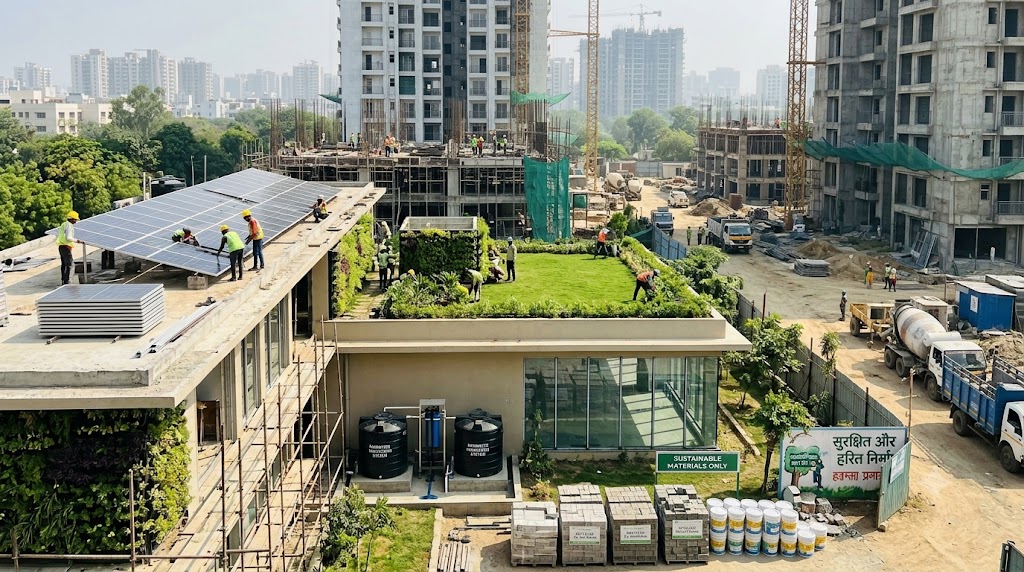
India’s growing cities and expanding real estate sector are increasing the demand for buildings that are comfortable, affordable and efficient to operate. As construction activity rises, greater attention is being given to energy use, water conservation and the environmental impact of building materials. This shift is creating fresh opportunities in India’s green building market, where sustainability is becoming an important part of modern construction.
Green buildings are designed to use fewer resources while providing healthier and more comfortable spaces for people to live and work. They incorporate features such as natural lighting, improved ventilation, energy-efficient equipment, water-saving systems and materials that reduce environmental impact.
Energy Efficiency Becomes a Priority
Electricity costs are a growing concern for households and businesses, making energy efficiency an important consideration in building design. Better insulation, efficient lighting, reflective roofing and well-planned windows can help reduce the need for artificial lighting and air conditioning.
These improvements can lower monthly operating expenses while making indoor spaces more comfortable. For offices, retail establishments, hotels and residential properties, reduced energy consumption can also improve long-term financial performance.
New Opportunities in Green Building Materials
The shift towards sustainable construction is creating demand for materials that combine durability, performance and lower environmental impact. Options such as recycled construction materials, low-emission paints, energy-efficient glass and improved roofing systems are gaining attention.
This trend offers opportunities for manufacturers, distributors, contractors and small businesses involved in construction supplies. Companies that can provide reliable products at competitive prices may benefit as developers increasingly consider energy efficiency and resource conservation when selecting materials.
Water Conservation Gains Importance
Water management is another important part of sustainable construction, particularly in cities facing pressure on local water supplies. Rainwater harvesting, wastewater recycling and water-efficient fittings can help reduce dependence on external sources.
For large residential complexes, offices and commercial buildings, these measures can support more responsible water use and reduce recurring expenses. They can also make properties better prepared for periods of water scarcity.
The Business Case for Green Buildings
Although some sustainable features require higher initial investment, they can deliver savings over the life of a building. Lower electricity and water bills, improved durability and reduced maintenance needs can help offset upfront costs over time.
Green building standards and certification systems are also encouraging developers to measure building performance more carefully. At the same time, buyers and tenants are paying greater attention to running costs, indoor comfort and the long-term quality of properties.
However, wider adoption will depend on making sustainable materials and technologies more affordable. Access to skilled workers, reliable performance information and greater awareness of long-term savings will also be important.
A More Sustainable Future for Construction
India’s green building market reflects a broader change in how homes, offices and commercial spaces are planned. Construction is no longer judged only by the speed of completion or the initial cost. Energy use, water efficiency, comfort and long-term maintenance are becoming equally important considerations.
For businesses across the construction supply chain, this shift offers opportunities to develop practical and cost-effective solutions. The next phase of growth will depend on making green construction accessible to a wider range of projects, including affordable housing and smaller commercial developments.
Ultimately, sustainable construction is about creating buildings that work better for both people and businesses. By combining thoughtful design with efficient use of resources, India can support a construction sector that delivers lasting economic value while reducing its environmental footprint.