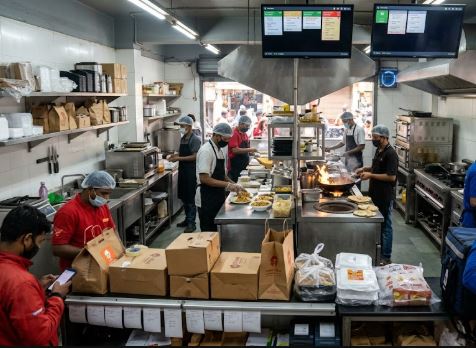
India’s food economy is being reshaped by changing consumer habits, digital ordering and the growing demand for convenient meals. As more people order food online, cloud kitchens are emerging as an important part of this transformation. These delivery-focused businesses prepare meals without the need for a traditional dine-in space, allowing entrepreneurs to reach customers through digital platforms while managing their operations from a central kitchen.
India’s cloud kitchen market is estimated at around $1.1 billion to $1.3 billion, with forecasts pointing to further growth over the coming years. Its expansion reflects more than a change in how people order meals. It is creating business opportunities across food preparation, ingredient sourcing, packaging, logistics, technology and marketing. From established food companies to small entrepreneurs, the model is opening new ways to participate in India’s expanding food-service economy.
Cloud Kitchens Are Expanding the Food Business
Traditional restaurants often require substantial spending on commercial space, interiors, dining facilities and front-of-house staff. Cloud kitchens operate differently, concentrating their investment on food preparation, order management and delivery.
This structure can make it easier for businesses to test new menus, respond to local demand and launch specialised food brands. A single kitchen may serve different customer preferences through multiple menus, helping operators make better use of equipment and available space.
For entrepreneurs, this creates an opportunity to enter the food-service sector without establishing a full-service restaurant. However, lower space requirements do not guarantee success. Businesses still need reliable suppliers, trained staff, food safety systems and consistent quality to build customer trust and generate repeat orders.
A Wider Economic Network Is Taking Shape
The impact of cloud kitchens extends well beyond the businesses preparing meals. Every order can create demand for vegetables, grains, dairy products, spices, meat, cooking oils, packaging materials and transportation services. As operations expand, this demand can support suppliers, distributors, delivery workers and other small businesses connected to the food supply chain.
Local farmers, wholesalers and food processors may benefit when kitchens develop dependable sourcing relationships. Packaging manufacturers and technology providers can also find opportunities as operators invest in delivery-ready products, digital ordering and inventory management.
The sector can create employment in cooking, food preparation, quality control, procurement, customer service and logistics. While the number and quality of jobs vary by business model, the industry’s growth provides another channel for work and entrepreneurship in the wider food economy.
Digital Platforms Connect Kitchens with Customers
Food delivery platforms have helped cloud kitchens reach customers without building their own delivery networks from the beginning. Online listings, customer reviews and digital promotions also allow newer businesses to compete for attention in crowded markets.
This accessibility has encouraged the growth of specialised food brands that focus on particular cuisines, meal types or customer preferences. Businesses can use order data and customer feedback to understand demand, improve menus and adjust production.
However, dependence on third-party platforms can come at a cost. Commissions, discounts and promotional expenses can reduce the revenue retained from each order. For this reason, some operators are also developing direct ordering channels and loyalty programmes to encourage repeat purchases.
A balanced approach can help businesses benefit from the reach of delivery platforms while gradually building stronger customer relationships of their own.
Profitability Remains the Biggest Business Challenge
Growing order volumes may indicate strong demand, but they do not necessarily translate into profits. Cloud kitchens must manage ingredient prices, staff costs, rent, electricity, packaging, platform fees and food wastage. When these expenses rise faster than revenue, even a busy kitchen can struggle financially.
The challenge is particularly important for small businesses, which may have limited working capital and less bargaining power with suppliers. Heavy discounting to attract customers can further weaken margins if orders do not lead to repeat business.
Successful operators need to understand the contribution each order makes after variable expenses, monitor wastage and maintain sensible menu pricing. Reliable demand forecasting and careful inventory management can also reduce unnecessary costs.
In a competitive market, sustainable growth depends on building a repeat customer base and maintaining operational discipline rather than pursuing sales volume at any price.
Multi-Brand Models Create Opportunities for Expansion
Some cloud kitchen businesses operate multiple food brands from a shared facility. This allows them to serve different customer segments while sharing equipment, storage and certain preparation processes.
When managed well, the approach can improve kitchen utilisation across breakfast, lunch, evening snacks and dinner. It can also help businesses test new food concepts without investing in separate physical outlets for each brand.
The model requires careful planning, however. Too many menus can complicate purchasing, increase inventory waste and make quality control harder. Each brand needs a clear identity, consistent food standards and sufficient demand to justify its costs.
For smaller operators, starting with a focused menu and expanding only after establishing reliable demand may be a more practical route to growth.
Opportunities Beyond Major Cities
The cloud kitchen business is also creating opportunities to serve customers outside India’s largest metropolitan areas. Emerging urban markets may offer scope for regional cuisines, affordable meal options and locally relevant food brands.
Smaller cities can provide a different cost structure, but demand varies by location. Businesses must evaluate customer spending patterns, delivery coverage, competition, ingredient availability and local food preferences before expanding.
Partnerships with regional suppliers can strengthen local supply chains, while menus built around familiar tastes may help businesses establish a loyal customer base. A measured expansion strategy can reduce the risk of investing heavily in markets before demand is proven.
Technology and Food Safety Will Shape the Next Phase
As cloud kitchens grow, technology is becoming central to managing orders, inventory, staffing and customer service. Digital systems can help operators forecast demand, identify popular dishes and reduce food wastage. Better data can also support decisions about pricing, menu changes and kitchen capacity.
At the same time, food safety and hygiene remain essential. Delivery-focused businesses must maintain proper storage, temperature control, cleanliness, packaging and handling practices. Consistency matters because customers cannot inspect the kitchen before placing an order.
Businesses that combine digital efficiency with reliable food quality and transparent customer service will be better positioned to build trust in a competitive market.
The Future of India’s Cloud Kitchen Economy
India’s cloud kitchen market is becoming an increasingly important part of the country’s food-service ecosystem. It is changing how food businesses operate while creating demand for agricultural produce, packaging, delivery, digital services and skilled workers. The model also gives entrepreneurs new ways to test ideas, reach customers and build food brands.
But the industry’s long-term contribution will depend on more than market growth. Businesses need sustainable margins, dependable supply chains, responsible food safety practices and the ability to retain customers without relying excessively on discounts.
For India’s wider food economy, cloud kitchens represent an opportunity to connect traditional food businesses with digital commerce and new consumer habits. Operators that combine convenience with affordability, quality and sound financial management can help turn this expanding market into a more resilient source of entrepreneurship, employment and economic activity.