Pic Credit: Pexel
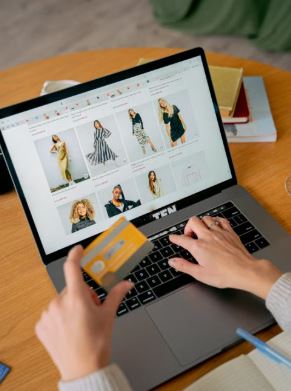
Social media is transforming fashion retail by turning everyday browsing into shopping opportunities. With influencer marketing, live shopping, AI-powered recommendations and virtual try-on technology gaining popularity, fashion brands are rethinking how they attract customers, showcase products and drive online sales.
Fashion retail is entering a new phase as social media platforms become more than spaces for sharing photographs, videos and lifestyle content. Consumers are increasingly discovering fashion trends, exploring new brands and making purchasing decisions through the same digital platforms they use to connect with friends and follow content creators.
This shift is giving rise to social commerce, a business model that combines social networking with online shopping. Instead of visiting a separate shopping website after discovering a product, customers can increasingly move from product discovery to purchasing through integrated shopping experiences, depending on platform availability and regional features.
For fashion retailers, this change is creating new opportunities to reach customers, promote collections and build stronger relationships with online communities. From independent clothing labels to established fashion companies, businesses are exploring ways to turn social media engagement into measurable sales.
The transformation also reflects changing consumer expectations. Today’s shoppers are not only looking for products; they want styling inspiration, honest recommendations, interactive experiences and convenient purchasing options. As a result, social commerce is becoming an important part of the future fashion retail business model.
Social Media Is Becoming a New Fashion Storefront
Traditionally, fashion brands depended on physical stores, catalogues, television advertisements and dedicated e-commerce websites to reach customers. Social media has changed this approach by allowing businesses to showcase products directly where consumers spend much of their time.
Platforms such as Instagram, TikTok and Pinterest have become important channels for fashion discovery. Short videos, styling demonstrations, product reviews and creator collaborations allow brands to present their collections in a more engaging way.
A customer watching a styling video may discover a clothing label, explore its latest collection and visit its online store within minutes. This reduces the distance between discovering a product and considering a purchase.
For small fashion businesses, this development is particularly valuable. Independent designers, boutique owners and emerging clothing labels can showcase their products to targeted audiences without depending entirely on expensive traditional advertising or large retail networks.
However, success depends on more than maintaining a social media presence. Brands need attractive product presentation, consistent content, reliable customer service and a smooth purchasing experience.
Influencer Marketing Is Changing Fashion Buying Decisions
Influencer marketing has become an important component of modern fashion retail. Consumers increasingly look to content creators for styling ideas, product demonstrations and recommendations before making purchasing decisions.
Unlike traditional advertisements, creator-led content often presents fashion products within everyday situations. A creator may demonstrate how to style an outfit for work, compare different clothing options or explain the fit and quality of a particular product.
This approach allows customers to understand how products may look and feel in real-life settings.
For fashion retailers, collaborations with influencers can help introduce collections to new audiences and build brand recognition. Smaller businesses can also work with niche creators whose followers match their target customer base.
However, brands must choose partnerships carefully. Audience relevance, credibility and genuine engagement are often more valuable than follower numbers alone.
Transparency is equally important. Paid promotions and commercial partnerships should be clearly disclosed to maintain consumer trust.
Live Shopping Is Bringing the Retail Experience Online
Live shopping is creating another opportunity for fashion retailers to interact with customers in real time.
Through livestreams, brands and content creators can showcase clothing collections, demonstrate product features, answer questions and provide styling suggestions. Viewers can explore the products while receiving information directly from the presenter.
For example, a fashion retailer can organise a live session to introduce a seasonal collection, explain fabric quality, demonstrate different outfit combinations and address customer questions about sizing.
This format brings elements of the traditional shopping experience into digital environments.
For businesses, live shopping can help improve product understanding and encourage customer engagement. It also provides opportunities to collect feedback and understand which designs, colours and styles attract attention.
However, retailers must ensure that product information, pricing and availability are accurate to avoid disappointing customers.
AI and Personalisation Are Making Fashion Shopping Smarter
Artificial intelligence is increasingly influencing how consumers discover and purchase fashion products.
Fashion retailers can use AI-powered tools to analyse browsing patterns, purchasing behaviour, product preferences and customer interactions. These insights help businesses recommend relevant products and develop more targeted marketing campaigns.
For example, an online fashion store may recommend clothing based on a customer’s previous purchases, preferred styles or browsing activity.
AI can also help retailers identify emerging fashion preferences by analysing customer feedback, search behaviour and social media conversations.
For businesses, these technologies offer an opportunity to improve marketing efficiency and reduce the gap between customer demand and product availability.
Personalisation can also improve the shopping experience by helping consumers find relevant products instead of navigating through large collections.
However, businesses must use customer information responsibly and maintain appropriate privacy and data protection practices.
Virtual Try-On Technology Is Addressing Online Fashion Challenges
One of the biggest challenges in online fashion retail is that customers cannot physically examine or try products before purchasing them.
Uncertainty about size, fit, colour and appearance can affect buying decisions and contribute to product returns.
Augmented reality (AR) and virtual try-on technology are helping address some of these concerns. These tools allow customers to visualise selected products through digital simulations, smartphone cameras or virtual models.
For example, shoppers may use virtual tools to preview accessories, eyewear or certain clothing styles before making a purchase.
Fashion retailers can use these technologies to create more interactive product experiences and help customers make informed decisions.
Although virtual try-on solutions cannot completely replace physical fitting, they offer an additional layer of product information that can improve online shopping experiences.
Social Commerce Is Creating New Opportunities for Small Fashion Businesses
The expansion of social commerce is changing the competitive landscape for independent fashion retailers and emerging brands.
Earlier, launching a fashion business often required substantial investment in physical retail space, inventory display and traditional advertising. Social media now provides an additional route for reaching customers and introducing products.
Small clothing labels, home-based fashion businesses, boutique owners and independent designers can use digital platforms to display collections, share styling content and communicate directly with potential buyers.
This creates several business opportunities:
-
Direct-to-consumer sales: Fashion brands can build direct relationships with customers without depending entirely on traditional retail intermediaries.
-
Niche fashion markets: Businesses can target specific customer groups interested in ethnic wear, sustainable clothing, affordable fashion or specialised designs.
-
Creator partnerships: Emerging brands can collaborate with relevant content creators to increase visibility and attract potential buyers.
-
Community building: Social media allows businesses to develop loyal customer communities through styling discussions, product feedback and interactive content.
-
Lower-cost market testing: Retailers can introduce selected designs through digital campaigns and evaluate customer interest before making larger inventory commitments.
For startups and small enterprises, these opportunities can make fashion retail more accessible. However, businesses still need to invest in product quality, fulfilment, customer support and brand development.
The Growing Importance of Secondhand Fashion and Re-Commerce
The future of fashion retail is also being influenced by changing attitudes towards sustainability and responsible consumption.
Secondhand fashion, resale platforms and clothing exchange communities are creating alternative business models alongside conventional retail.
Social media helps these businesses reach consumers interested in affordable fashion, vintage collections and extending the life of clothing products.
Fashion brands can also explore resale partnerships, pre-owned product collections and take-back programmes to connect with customers who prefer more circular consumption options.
For entrepreneurs, this creates opportunities in authenticated resale, clothing refurbishment, online thrift stores and specialised fashion marketplaces.
However, maintaining product quality, verifying authenticity and building customer confidence remain important responsibilities for businesses operating in this segment.
The Challenges Fashion Retailers Cannot Ignore
Although social commerce offers significant growth opportunities, it also creates new challenges for fashion businesses.
Building consumer trust: Customers may hesitate to purchase products after seeing misleading advertisements, edited product photographs or exaggerated influencer recommendations. Accurate product descriptions and transparent communication are essential.
Returns and sizing issues: Online fashion purchases often involve uncertainty about fit and fabric quality. High return volumes can increase logistics expenses and reduce profit margins.
Platform dependency: Businesses that rely heavily on social media may face difficulties when platform algorithms, advertising policies or shopping features change.
Intense competition: The ease of launching online fashion stores has increased competition. Brands must differentiate themselves through quality, pricing, design and customer experience.
Data privacy and security: Personalised shopping requires customer information. Businesses must handle this information responsibly and protect digital transactions.
Inventory and delivery management: Successful social media campaigns can generate sudden increases in orders. Retailers must maintain sufficient stock, efficient packaging and reliable delivery arrangements to meet demand.
These challenges highlight why social commerce should be treated as a complete retail strategy rather than simply a marketing activity.
How Fashion Brands Can Prepare for the Future of Social Commerce
Fashion retailers need to combine creativity with effective business management to benefit from the growing social commerce market.
Brands should focus on creating engaging content that provides practical value to customers. Styling demonstrations, fabric information, product comparisons and customer experiences can make social media communication more useful.
Businesses should also develop relationships with creators whose audiences align with their products. Instead of focusing exclusively on large influencers, retailers can explore partnerships with smaller creators who have specialised and engaged communities.
Integrating social media campaigns with reliable e-commerce websites, secure payment systems and inventory management tools is equally important.
Retailers should regularly examine customer engagement, conversion rates, average order values and return rates to understand whether their social commerce investments are generating meaningful business results.
Most importantly, brands must ensure that the experience after a customer places an order is as reliable as the experience that attracted the customer in the first place.
The Road Ahead for Fashion Retail
Social commerce is gradually changing the relationship between fashion brands and consumers. Product discovery, entertainment, recommendations and purchasing are becoming increasingly connected through digital platforms.
The growing use of AI, virtual try-on tools, creator-led campaigns and live shopping is expected to create more interactive retail experiences. At the same time, secondhand fashion and resale models are opening new commercial opportunities for businesses exploring more sustainable approaches.
For traditional retailers, adapting to this shift will require a stronger digital presence and closer attention to changing customer behaviour. For startups and independent fashion labels, social commerce offers an opportunity to build brand visibility and reach customers without relying entirely on conventional retail infrastructure.
Ultimately, the future of fashion retail will not depend only on how many products a brand sells online. It will depend on how effectively businesses combine technology, creativity, product quality and customer trust.
As social media continues to influence fashion discovery and purchasing decisions, brands that create meaningful digital experiences while maintaining reliable retail operations will be better positioned to compete in the evolving fashion marketplace.