
Dubai, UAE, May 20: The Fédération Internationale de l’Automobile (FIA) has published its 2025 Sustainability and Diversity & Inclusion (D&I) report, highlighting major achievements in shaping the future of motorsport and mobility for its diverse global community.
The FIA, the global governing body for motor sport and the federation for mobility organisations worldwide, continued to drive progress at the intersection of innovation, inclusion, and access through 2025.
In environmental sustainability, it strengthened frameworks and tools to support Member Clubs, championships and events in managing their impact, while also taking steps to accelerate its own decarbonisation strategy.
In D&I, it continued to expand participation, strengthen career pathways, and build a more inclusive environment across motor sport and mobility.
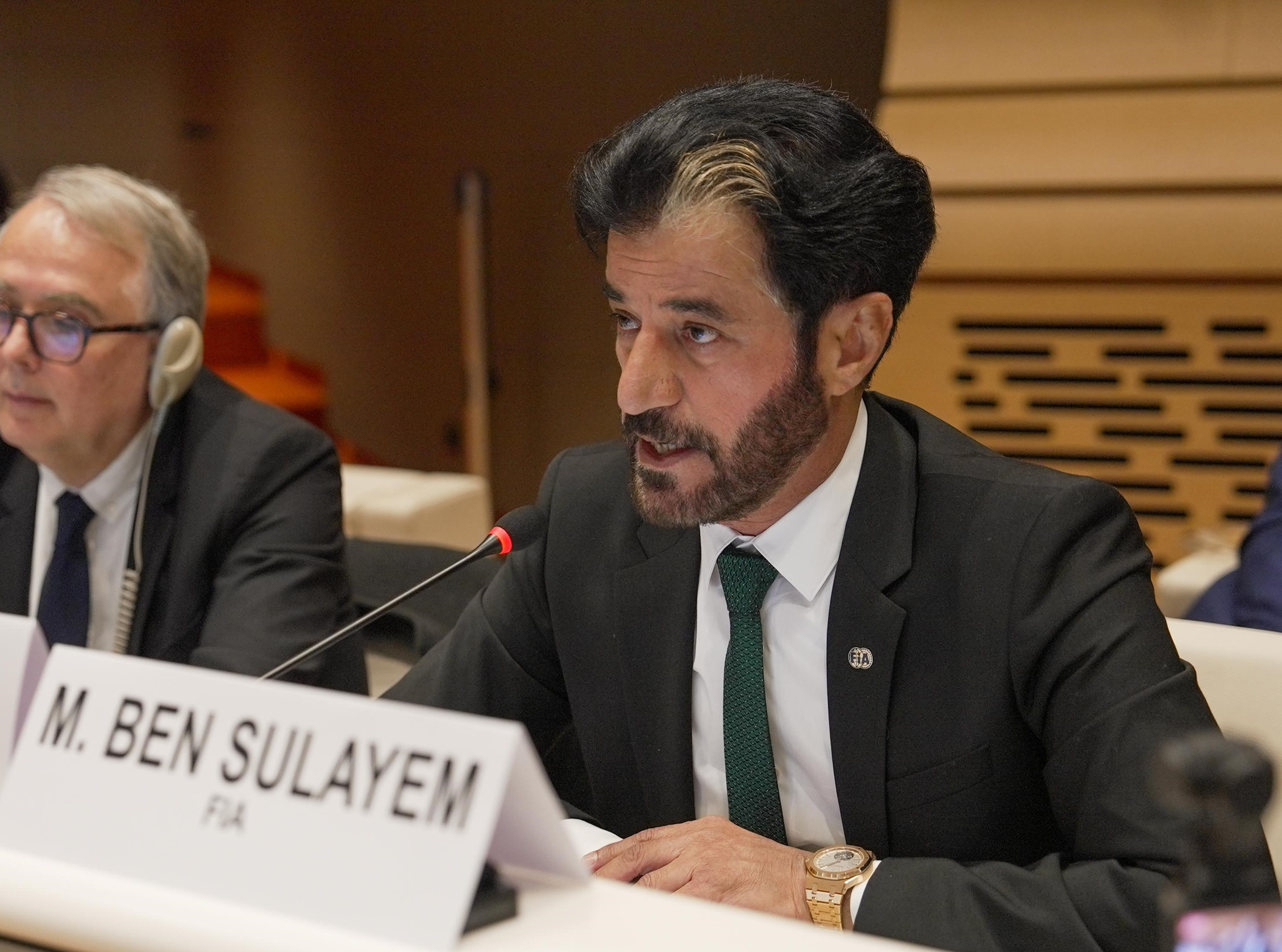
H.E. Mohammed Ben Sulayem, President of the FIA, said: “Our diversity is our strength. Looking ahead, our direction is clear. We will continue to innovate, strengthen frameworks, and raise standards. Together, we are shaping a future in which motorsport and mobility are not only more sustainable, but more inclusive, accessible, and truly reflective of the diverse global community we serve.”
The landmark FIA report highlighted several key environmental achievements including:
· Grew the FIA’s flagship Environmental Accreditation Programme to 260+ accredited organisations (a 37% YOY increase) with a record 70 new accreditations, 33 renewals and nine upgrades.
- Increased sustainability grants by 24% to €340,000, supporting projects on emissions reduction, biodiversity, mobility access and education.
· Approved the first technical and safety regulations for liquid hydrogen- powered vehicles, marking a historic step toward low carbon competition.
· Welcomed 1,000+ participants in the FIA’s Sustainable Innovation Series.
In November 2025, the FIA launched its first Sustainability Survey for its Member Clubs to better understand their priorities and challenges across different regions. Across all Member Clubs, there was strong agreement that motor sport and mobility organisations should play a leading role in advancing climate action and sustainable development.
In terms of its own operations last year, the FIA report noted the following
· Maintained commitment to reduce absolute emissions by 2030.
· Absolute emissions increased by 16% year-on-year against a backdrop of increased headcount and the opening of a new office in London.
· Logistics-related emissions lowered by 2%, supported by HVO-powered DHL trucks across the European race calendar.
· Overall impact of logistics footprint reduced by 22% through the ramp-up of investments in Sustainable Aviation Fuels.
While important progress has been made in several areas under the FIA’s direct influence, there were substantive increases elsewhere in the footprint, especially in business travel for staff and visitors attending conferences, regional meetings, and general assemblies.
The rise in the footprint does not mean progress has stopped, but reinforces the need for a more targeted response and strategy. It highlights the necessity to drive lower-carbon choices across motor sport and mobility, by encouraging better decisions on logistics, travel, events, procurement, and collaboration across the ecosystem.
Not all emissions reported are directly controlled by the FIA, and the federation’s responsibility is not only to reduce its own footprint, but also to enable others to reduce theirs.
The inaugural FIA Karting Arrive & Drive World Cup set the tone for a landmark year in diversity and inclusion, bringing together 100+ competitors from 50 nations and a record 15 female drivers on the grid.
Within its own workforce, 31% of the FIA’s staff was female in 2025, with almost half of those women in senior roles, reflecting continued progress on gender equity.