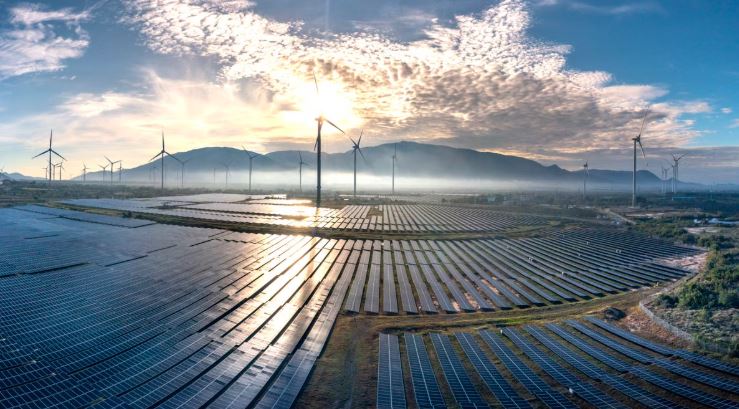
The growing demand for electricity in the United States is creating new opportunities for businesses working in clean energy and advanced technology. As solar and wind power become increasingly important to the country’s electricity supply, energy storage is emerging as a critical part of the transition.
Renewable energy does not always generate electricity when consumers need it. Solar panels produce the most power during daylight hours, while electricity demand can remain high in the evening. Wind generation also changes depending on weather conditions. Energy storage systems help address this gap by storing electricity when supply is available and releasing it when demand increases.
This growing need is turning energy storage into an important business opportunity. Battery manufacturers, technology startups, engineering companies and component suppliers are finding new markets as utilities, commercial businesses and households look for more reliable energy solutions.
For clean technology startups, the opportunity extends beyond developing batteries. Software, monitoring systems, energy management services, recycling and specialised equipment are becoming important parts of the industry.
Rising Electricity Demand Is Driving Market Growth
Electricity consumption in the United States is increasing as data centres, artificial intelligence infrastructure, manufacturing facilities and electric vehicles place additional pressure on the power system.
Data centres are particularly important because they require a continuous and reliable electricity supply. Even short interruptions can affect operations, making energy storage an attractive option for managing power demand and supporting backup systems.
Utilities are also looking for ways to improve grid reliability without depending entirely on new power generation and transmission infrastructure. Battery storage can help manage peak demand, reduce pressure on electricity networks and make better use of existing energy resources.
The US battery storage market has already recorded significant growth. The country installed 18.9 gigawatt-hours of battery storage capacity in the second quarter of 2026, a record for the market. Longer-duration systems and demand from utility-scale projects contributed to this expansion.
The growing need for dependable electricity is creating opportunities for companies that can provide practical, affordable and scalable storage solutions.
Battery Manufacturing Offers Opportunities for Startups and Suppliers
Battery manufacturing is one of the most visible parts of the energy storage industry. As demand increases, businesses are looking for reliable sources of battery cells, modules and complete storage systems.
Large manufacturers are investing in production capacity, but the supply chain also creates opportunities for smaller businesses and specialised suppliers.
Startups can explore battery management systems, thermal management technology, power electronics, safety equipment and monitoring solutions. These products are essential for improving battery performance, preventing overheating and extending equipment life.
Component suppliers can also benefit from demand for electrical connectors, enclosures, cooling systems, control units and other industrial materials.
However, entering battery manufacturing requires substantial investment, technical expertise and strict quality standards. Smaller businesses may find it more practical to begin with specialised components, software or services before moving into large-scale production.
Renewable Energy Storage Creates New Business Opportunities
The expansion of solar and wind power is increasing the need for systems that can store electricity and make it available when generation falls.
Utility companies and renewable energy developers are increasingly combining battery storage with solar and wind projects. These arrangements help manage fluctuations in electricity generation and provide greater flexibility to the power grid.
This creates opportunities for startups that develop integrated storage solutions, energy management software and project monitoring technology.
Businesses can also explore services related to battery installation, system maintenance, performance testing and grid integration. As more projects become operational, demand for reliable after-sales support is likely to become an important part of the market.
For smaller clean technology companies, working with renewable energy developers and engineering contractors can provide a route into the industry without requiring them to build complete storage systems independently.
Commercial and Industrial Customers Are Creating Another Market
Energy storage is not limited to large utility projects. Factories, warehouses, shopping centres, hospitals, offices and other commercial facilities are also exploring battery systems to manage electricity costs and improve power reliability.
Businesses with high electricity consumption may use storage to reduce peak demand, support essential operations and make better use of electricity generated through rooftop solar installations.
For clean technology startups, this creates opportunities in customised battery solutions, energy audits, installation services and smart energy management.
Software companies can develop platforms that help businesses monitor electricity consumption, control battery charging and identify periods when stored power can be used more efficiently.
The commercial market may also support smaller suppliers that provide installation, maintenance and energy consulting services.
Software and Smart Technology Are Becoming Essential
Modern energy storage systems require more than batteries and electrical equipment. They also depend on software that can monitor performance, manage charging and discharging, identify technical problems and coordinate electricity use.
Artificial intelligence and data analytics can help operators understand energy consumption patterns and improve system performance. Smart monitoring platforms can also alert businesses to equipment problems before they lead to expensive failures.
Startups working in software development, automation, cybersecurity and energy analytics can therefore participate in the storage industry without manufacturing physical batteries.
Virtual power plants offer another opportunity. These systems connect multiple smaller energy resources, such as household batteries, commercial storage units and solar installations, allowing them to work together as a coordinated network.
This approach can help utilities manage electricity demand while creating new service opportunities for technology companies.
Battery Recycling and Reuse Can Build a Circular Business
As battery installations increase, managing used batteries will become an important industry requirement.
Battery recycling companies can recover valuable materials and reduce the need for new raw materials. Businesses can also explore testing and refurbishing batteries for applications where full original performance is no longer necessary.
For example, batteries that are no longer suitable for certain high-performance applications may still have potential for stationary energy storage, depending on their condition and safety.
This creates opportunities for startups specialising in battery testing, material recovery, refurbishment and responsible disposal.
Developing a stronger recycling network can also help reduce waste, improve resource efficiency and support a more sustainable battery supply chain.
What Is Driving Investment in the US Energy Storage Sector?
The energy storage industry is attracting interest from investors, utilities, technology companies and infrastructure developers because of its growing role in electricity supply.
The expansion of data centres, renewable energy projects and industrial electricity consumption is strengthening the need for flexible power infrastructure.
State-level policies and utility procurement programmes are also influencing market development. However, investment decisions depend on several factors, including project costs, electricity market rules, grid connection availability and long-term revenue opportunities.
For startups, access to funding will depend on demonstrating that their technology can solve a real industry problem. Companies with reliable products, strong technical teams and clear commercial applications may be better positioned to attract business partnerships and investment.
Challenges Startups and Suppliers Need to Consider
Despite its growth potential, the US energy storage market is not without challenges. Battery manufacturing requires significant capital, while raw material prices and supply chain disruptions can affect production costs.
Competition is also increasing as established manufacturers and new technology companies enter the market. Startups must demonstrate that their products offer clear advantages in performance, safety, reliability or cost.
Regulatory approvals, fire safety requirements, technical standards and local permitting procedures can also influence project timelines. Businesses involved in battery installations must understand the relevant safety and electrical regulations.
Grid connection delays are another concern, particularly for large projects. Companies must account for these challenges when planning investments and estimating when projects can begin generating revenue.
A strong business strategy should therefore focus on realistic market demand, dependable suppliers, technical performance and long-term customer relationships.
The Road Ahead for Clean Technology Businesses
Energy storage is becoming an important part of America’s electricity infrastructure. Growing power demand, renewable energy expansion and the development of data centres are creating opportunities across the battery and clean technology supply chains.
The business potential is not limited to large manufacturers. Startups and suppliers can participate through software, electrical components, installation services, battery management, recycling and specialised engineering solutions.
For smaller companies, the most practical route may be to focus on a specific problem rather than compete directly with established battery manufacturers. Building partnerships with utilities, renewable energy developers and industrial customers can also help new businesses enter the market.
The future of energy storage in the USA will depend not only on producing better batteries but also on building the technology, services and supply networks needed to make energy more reliable and efficient. For clean technology startups and suppliers, this creates an expanding market with opportunities across the entire energy ecosystem.