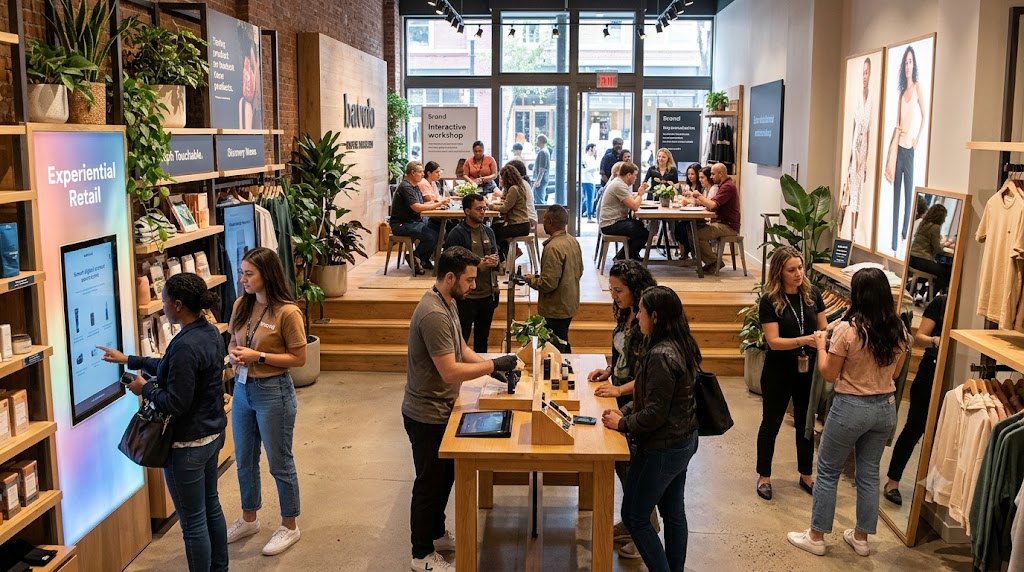
Experiential retail is changing how businesses approach the modern shopping experience. As online shopping becomes an everyday habit, physical retailers are finding new ways to give customers a reason to visit their stores. Instead of focusing only on displaying products and completing sales, businesses are creating spaces where people can explore, interact, learn and connect with brands.
This shift reflects a change in customer expectations. Shoppers increasingly value convenience, personal attention and opportunities to experience products before making a purchase. For retailers, the challenge is to turn these expectations into meaningful experiences that encourage repeat visits and support profitable growth.
Why Experiential Retail Is Gaining Importance
Online platforms offer convenience and broad product choices, but physical stores provide advantages that digital shopping cannot always reproduce. Customers can examine materials, test products, receive immediate assistance and make purchasing decisions with greater confidence.
Experiential retail builds on these advantages by making the store visit more engaging. Product demonstrations, interactive displays, styling consultations and workshops can help customers understand a brand’s offerings while making shopping more enjoyable.
For businesses, this approach creates opportunities to stand apart in a competitive market. A memorable experience can help a retailer build stronger relationships with customers rather than relying entirely on discounts and promotions.
Technology Is Transforming the In-Store Experience
Digital innovation is becoming an important part of modern retail. Augmented reality, smart mirrors, interactive screens and AI-supported recommendations can help shoppers discover products and make more informed decisions.
For example, digital visualisation tools can help customers imagine how furniture might look in their homes, while virtual fitting solutions can support clothing selection. Mobile payments and connected inventory systems can also make shopping faster and more convenient.
The greatest value comes when technology addresses a genuine customer need. Retailers do not necessarily require expensive installations to improve engagement. Simple digital displays, accurate product information and convenient payment options can deliver practical benefits when implemented effectively.
Combining digital tools with personal assistance can also help retailers serve customers who want both independent browsing and expert guidance.
Customer Engagement Can Support Sales Growth
An engaging store environment can encourage shoppers to explore products, compare options and discover items they might not have considered initially. Demonstrations and personalised consultations can also help customers understand product quality and suitability.
These interactions may create opportunities for additional sales and higher customer satisfaction. However, keeping visitors in a store for longer does not automatically increase revenue. Experiences must be relevant, useful and supported by products that meet customer expectations.
Retailers should evaluate their initiatives by tracking indicators such as conversion rates, repeat purchases, customer feedback and average transaction value. Understanding these results can help businesses distinguish between experiences that generate genuine value and those that simply increase operating costs.
Physical Stores and Online Channels Work Together
Experiential retail is increasingly connected with the wider digital shopping journey. Customers may discover a brand through social media, visit a physical store to try a product and complete the purchase online later.
Retailers can support this behaviour through consistent product information, connected inventory, flexible fulfilment options and convenient returns. Physical stores can also serve as locations for product launches, demonstrations and customer events that generate interest across digital channels.
This integrated approach allows businesses to view stores as part of a broader customer relationship rather than treating each visit as an isolated transaction. A positive in-store experience can strengthen brand awareness and encourage customers to engage with the business through other channels.
Community Experiences Can Build Brand Loyalty
Retail stores can become more meaningful when they reflect customers’ interests and create opportunities for interaction. Workshops, product demonstrations, styling sessions and local events can give shoppers additional reasons to visit.
For smaller retailers, these activities can be particularly useful because they create opportunities to build personal relationships without requiring large investments in technology or store redesign.
Community events can also generate word-of-mouth recommendations and social media engagement. Customers who enjoy an experience may share it with friends or online followers, helping the business reach new audiences.
The focus should remain on relevance. Activities that suit the brand and offer genuine value are more likely to encourage lasting engagement than events designed solely to attract attention.
Opportunities for Small and Medium-Sized Retailers
Experiential retail is not limited to large companies with substantial marketing budgets. Independent fashion boutiques can offer styling advice, beauty retailers can provide product consultations, and home furnishing stores can organise practical demonstrations.
These initiatives allow smaller businesses to use their strengths, including specialised knowledge, flexible service and close connections with local customers.
Retailers can begin with low-cost improvements, such as better product displays, knowledgeable staff and occasional customer events. Gathering feedback and monitoring sales can help determine which activities deserve further investment.
This gradual approach is important for businesses with limited resources. By testing ideas before expanding them, retailers can improve customer engagement while managing financial risk.
Managing Costs and Measuring Results
Creating an engaging retail environment requires careful planning. Store redesigns, technology, event management and staff training can add to operating expenses. Without clear objectives, businesses risk spending money on features that do not improve customer satisfaction or financial performance.
Retailers should identify the purpose of each initiative before investing. A product demonstration may aim to improve purchase confidence, while a workshop may be designed to increase repeat visits or strengthen community relationships.
Tracking performance helps businesses understand whether these goals are being achieved. Retailers should also consider accessibility, customer privacy and employee workload when introducing new experiences.
A successful strategy balances creativity with commercial discipline, ensuring that customer engagement contributes to the long-term health of the business.
The Future of Experiential Retail
The future of experiential retail will depend on how effectively businesses combine digital convenience with the advantages of physical shopping. Technology can make product discovery easier, while personal service and interactive activities can give customers reasons to return.
For large retailers, experiential stores can strengthen brand identity and support a connected shopping journey. For smaller businesses, personalised service and community engagement can provide an affordable way to stand out.
Ultimately, experiential retail is not simply about making stores more attractive. It is about creating useful, memorable experiences that help customers make decisions, build confidence and develop lasting relationships with brands.
Retailers that understand their customers, measure the impact of their investments and deliver consistent service will be better positioned to turn in-store engagement into sustainable business growth.