
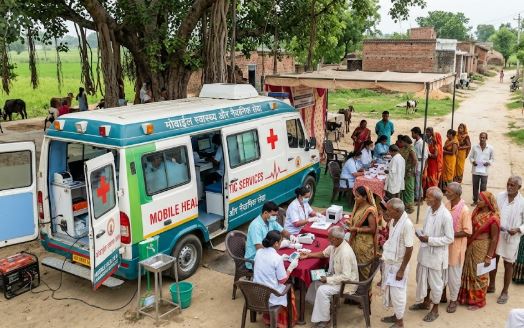
Affordable diagnostics are becoming an important part of India’s healthcare system, helping people access essential medical tests at lower costs while creating new opportunities for healthcare businesses. However, reaching underserved communities remains a major challenge, particularly in rural areas and smaller towns where diagnostic facilities, trained professionals and reliable healthcare infrastructure are often limited.
Early and accurate diagnosis plays a critical role in preventing complications, improving treatment outcomes and reducing long-term healthcare expenses. Yet, for many families, the cost of testing, travel to diagnostic centres and delays in receiving reports can make timely medical care difficult. Expanding affordable diagnostic services is therefore not only a public health priority but also a growing business opportunity.
Affordable Diagnostics and the Need for Accessible Healthcare
India’s healthcare system continues to face differences in access between urban and rural populations. While cities generally have a wider network of hospitals, laboratories and specialised testing facilities, many smaller communities depend on limited healthcare infrastructure.
For patients, the challenge extends beyond the price of a medical test. Transportation costs, lost working hours, long waiting periods and the need to travel repeatedly for consultations and reports can increase the overall financial burden. These barriers often discourage people from seeking testing until symptoms become serious.
Affordable diagnostic services can help address these gaps by bringing basic blood tests, diabetes screening, pregnancy testing and other essential investigations closer to communities. Lower-cost testing can also support the early detection and management of chronic diseases, reducing the risk of expensive treatment at later stages.
A Growing Business Opportunity for Diagnostic Providers
The demand for accessible healthcare is creating opportunities for diagnostic laboratories, healthcare startups and local service providers. Businesses that combine reasonable pricing with reliable testing and convenient access can serve communities that remain underserved by traditional healthcare facilities.
However, affordability alone is not enough to build a sustainable diagnostic business. Providers must balance competitive prices with equipment maintenance, quality-control procedures, trained staff, transportation and operating expenses.
Smaller diagnostic centres can improve their financial viability by managing costs carefully, building relationships with healthcare professionals and maintaining a steady flow of patients. Partnerships with hospitals, clinics, community health organisations and public healthcare programmes can also help extend their reach.
For entrepreneurs, the opportunity lies in developing services that respond to local healthcare needs rather than relying exclusively on high-volume urban markets.
Technology Is Changing Diagnostic Delivery
Technology is helping healthcare providers make diagnostic services more accessible and efficient. Digital reporting systems, automated testing equipment and telemedicine integration can reduce delays and improve coordination between laboratories, doctors and patients.
Point-of-care testing is particularly relevant for communities located far from established laboratories. Certain tests can be conducted closer to patients, allowing healthcare workers to obtain results more quickly and support timely medical decisions.
Mobile diagnostic units and sample collection services can also help extend the reach of existing laboratories without requiring every community to establish a fully equipped testing facility. These approaches can reduce travel requirements for patients while helping providers use their resources more efficiently.
However, technology must be supported by trained personnel, reliable electricity, appropriate storage, accurate testing procedures and secure handling of patient information. Without these safeguards, lower operating costs could come at the expense of quality.
The Challenge of Maintaining Quality at Lower Prices
One of the biggest challenges in affordable diagnostics is maintaining accuracy while keeping prices within reach of low-income households. Diagnostic errors can lead to incorrect treatment, additional medical expenses and serious health consequences.
Providers must invest in equipment calibration, staff training, quality assurance and appropriate laboratory standards. They must also communicate test limitations clearly and ensure that patients receive their reports in a timely and understandable manner.
Financial sustainability is equally important. Excessively low prices may attract patients in the short term but can make it difficult for providers to maintain equipment, retain skilled workers and expand services. A sustainable model requires transparent pricing, efficient operations and a clear commitment to patient safety.
Trust is a valuable business asset in this sector. Patients and healthcare professionals are more likely to rely on providers that consistently deliver accurate results and protect confidential medical information.
Reaching Rural and Underserved Communities
Expanding diagnostic access requires business models that reflect the realities of local communities. Establishing testing facilities in every location may not be financially practical, particularly where population density is low or demand is inconsistent.
A combination of local collection centres, mobile services, centralised laboratories and digital reporting can offer a more flexible approach. Community-level partnerships can help providers identify demand, improve awareness and connect patients with appropriate testing services.
Public healthcare programmes and partnerships with private providers can further support access for economically vulnerable households. Transparent pricing and clear information about available tests are essential to ensure that affordability translates into actual use.
Diagnostic businesses must also consider language, digital literacy and accessibility when designing their services. Convenient locations, understandable reports and reliable follow-up arrangements can make a meaningful difference to patients who have limited experience with formal healthcare systems.
Building a Sustainable Future for Affordable Diagnostics
The future of affordable diagnostics in India will depend on the ability of healthcare providers to combine accessibility, accuracy and financial sustainability. As awareness of preventive healthcare grows, demand for convenient and reasonably priced testing is likely to remain an important area of opportunity.
For businesses, the sector offers scope to expand into smaller cities, strengthen local healthcare networks and develop cost-efficient service delivery models. For communities, better access to diagnostics can support earlier treatment, reduce avoidable travel and help families make informed healthcare decisions.
Ultimately, affordable diagnostics should not be measured by price alone. Their success depends on whether people can obtain reliable tests when they need them, without facing unnecessary financial or geographical barriers. Businesses that make this balance central to their operations can contribute to a more inclusive healthcare system while building long-term value.