
Pic Credit: Pexel
Preventive dental care is becoming an important growth area in the healthcare industry as more people recognise the value of maintaining oral health before minor problems develop into costly treatments. Regular dental check-ups, professional cleaning and early identification of oral health concerns are creating new opportunities for dental practices, healthcare entrepreneurs and oral care brands. This shift towards prevention is changing how dental services are delivered, how patients engage with healthcare providers and how businesses develop sustainable revenue models.
For the healthcare industry, the opportunity goes beyond treating dental problems. Preventive services can encourage regular patient visits, improve access to oral healthcare and create demand for technology, consumer products and community-based services. Businesses that combine affordability, convenience and professional care can play an important role in meeting these changing needs.
Digital Dentistry Creates Opportunities for Innovation
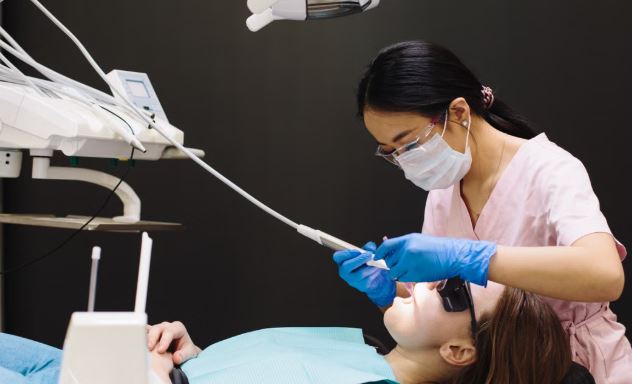
Digital technology is transforming preventive dentistry by helping dental professionals examine oral health more efficiently and communicate findings to patients. Digital imaging, intraoral cameras and AI-assisted diagnostic systems can support the identification of potential dental problems and help clinicians make informed decisions.
These developments are creating opportunities for dental technology companies, equipment manufacturers and clinics looking to modernise their services. Better visual communication can also help patients understand why routine examinations and timely follow-ups matter.
Teledentistry is expanding access further by allowing patients to receive preliminary guidance and follow-up consultations remotely. While many conditions still require an in-person examination, virtual services can make initial advice more convenient, particularly for people who face travel or scheduling difficulties.
For businesses, the challenge is to adopt technology that improves patient care without creating unnecessary costs. Reliable systems, data privacy and appropriate clinical oversight will remain essential to the growth of digital dentistry.
Subscription-Based Dental Care Supports Recurring Revenue
Subscription-based dental care is creating a new approach to managing preventive services. Instead of relying entirely on individual appointments, dental practices can offer membership plans that include specified services such as routine examinations, professional cleaning and follow-up visits for a fixed monthly or annual fee.
For patients, these plans can make dental expenses easier to plan and encourage regular visits. For clinics, they can support more predictable revenue, improve appointment planning and strengthen relationships with existing patients.
Membership packages can be structured around different needs, with check-up frequency determined by professional assessment rather than a uniform schedule for everyone. Clear pricing, defined service limits and transparent cancellation terms are important to maintaining patient confidence.
However, subscription plans must be financially sustainable. Dental practices need to calculate service costs carefully, manage appointment capacity and ensure that membership arrangements support appropriate treatment rather than unnecessary procedures.
Mobile Dental Clinics Expand Access to Underserved Communities
Access to dental care remains difficult for some rural populations, older adults and communities with limited healthcare facilities. Mobile dental clinics and outreach programmes offer an opportunity to bring selected preventive services closer to these groups.
Depending on their facilities and professional staffing, mobile units can provide oral health education, preliminary assessments and certain preventive procedures. Partnerships with schools, workplaces, hospitals and community organisations can help extend their reach.
For healthcare entrepreneurs, these arrangements can create opportunities to develop institutional service contracts and scheduled outreach programmes. Employers may also explore workplace oral health initiatives, while care facilities can arrange regular assessments for residents who find it difficult to travel.
The business model requires careful planning around equipment, transport, staffing, maintenance and follow-up care. Partnerships with established healthcare providers can help manage costs and ensure that patients requiring further treatment are referred appropriately.
Oral Wellness Products Attract Consumer Demand
The growing focus on prevention is also creating opportunities in the oral wellness market. Consumers are seeking products that support everyday hygiene, including electric toothbrushes, water flossers, interdental cleaning tools, specialised toothpaste and customised oral care kits.
This demand offers opportunities for manufacturers, retailers and direct-to-consumer brands to develop products suited to different age groups and consumer needs. Online platforms can support product discovery, repeat purchases and access to educational information about daily oral hygiene.
Personalised oral care may provide another avenue for growth, particularly when digital tools help consumers maintain consistent routines based on professional advice. However, marketing claims must remain evidence-based. Products should not be presented as substitutes for dental examinations or as guaranteed solutions for preventing or treating disease.
Businesses that prioritise product quality, transparent communication and responsible marketing can build stronger consumer trust in a competitive market.
Preventive Dentistry Can Improve Healthcare Efficiency
Preventive care can benefit both patients and healthcare providers by helping identify potential problems before they become more complicated. Early intervention may reduce the need for extensive treatment in some cases, helping patients manage costs while supporting better long-term oral health.
For dental practices, routine appointments create opportunities to monitor changes, reinforce healthy habits and recommend further care when clinically necessary. Appointment reminders, digital patient records and structured follow-up systems can also help practices manage schedules and reduce missed visits.
There is room for businesses to develop patient management tools, oral health education services and integrated care programmes. These solutions can help dental professionals maintain continuity of care while making better use of their time and resources.
The emphasis must remain on patient needs. Preventive dentistry delivers lasting value when services are based on clinical assessment and appropriate recommendations.
Business Challenges in the Preventive Dental Care Market
Despite its potential, the sector faces several challenges. Price sensitivity, limited awareness, unequal access to dental professionals and irregular attendance can restrict demand for preventive services.
Technology investments may also be difficult for smaller practices to justify, particularly when equipment, software and staff training require additional spending. Mobile clinics face logistical constraints, while subscription-based businesses must balance affordable fees with the cost of delivering promised services.
To address these issues, providers can focus on transparent pricing, patient education and practical service models. Partnerships with employers, educational institutions and community organisations may help reach more people and improve the viability of preventive programmes.
Trust is equally important. Patients need clear information about the benefits, costs and limitations of dental services before making decisions. Businesses that put patient welfare first are more likely to build lasting relationships and sustainable growth.
The Future of Preventive Dental Care
Preventive dental care is creating opportunities across healthcare services, digital technology and consumer wellness. From AI-assisted diagnostics and dental membership plans to mobile clinics and everyday oral hygiene products, businesses have new ways to support patients beyond traditional treatment-based models.
Long-term success will depend on making preventive care accessible, affordable and clinically appropriate. Dental practices must balance financial sustainability with professional responsibility, while technology providers and consumer brands need to demonstrate the safety and practical value of their solutions.
As oral health awareness grows, preventive dentistry can become an increasingly important part of the healthcare economy. Businesses that combine innovation with convenience, transparency and quality care will be better positioned to meet patient needs while contributing to healthier communities.