
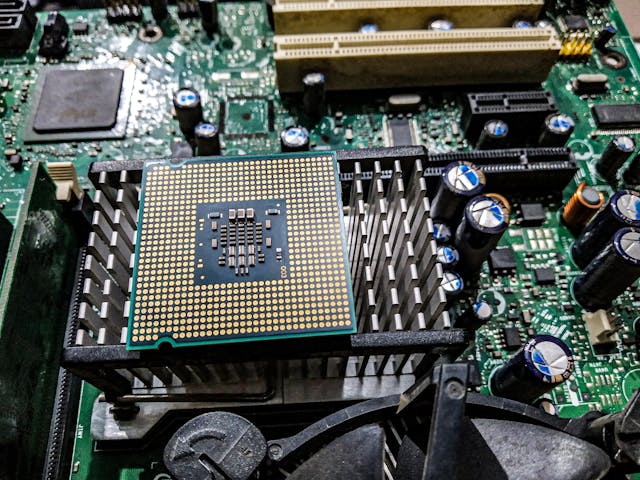
India’s semiconductor manufacturing industry is emerging as a major driver of industrial investment, technological development and economic growth. With semiconductors becoming essential to automobiles, smartphones, artificial intelligence (AI), telecommunications and defence equipment, the government is accelerating efforts to build a strong domestic manufacturing ecosystem. Financial incentives, international partnerships and infrastructure investments are encouraging global technology companies to explore India as a competitive semiconductor production destination.
The opportunity, however, extends far beyond semiconductor factories. The industry’s expansion could create new revenue streams for micro, small and medium enterprises (MSMEs), engineering companies, equipment manufacturers, material suppliers, technology startups and skilled professionals. As India strengthens its capabilities in chip fabrication, assembly, testing and design, businesses across the industrial value chain stand to benefit.
Key Factors Driving India’s Semiconductor Manufacturing Growth
1. Government Incentives Are Attracting Long-Term Investments
Government support has become one of the strongest drivers of India’s semiconductor ambitions.
-
Semicon India Programme: Launched in December 2021 with an initial outlay of ₹76,000 crore, the programme aims to develop domestic capabilities in semiconductor fabrication, display manufacturing, compound semiconductors, sensors, chip packaging and design.
-
Semicon 2.0: Approved in July 2026 with an outlay of ₹1.27 lakh crore, the next phase adopts a broader ecosystem-focused approach.
-
Six development pillars: The programme focuses on chip design, semiconductor equipment and materials, fabrication facilities, advanced packaging, research and development, and talent development.
The expanded policy framework creates opportunities beyond chip production. Companies supplying industrial machinery, specialised materials, precision components and technical services could benefit from increasing demand as manufacturing facilities become operational.
2. Financial Incentives Reduce the Cost of Establishing Manufacturing Facilities
Semiconductor manufacturing requires substantial capital investment, advanced technology and highly specialised infrastructure. The government’s incentive structure aims to reduce some of the financial challenges associated with entering this capital-intensive industry.
Key investment support includes:
-
Eligible large silicon wafer fabrication projects can receive central financial support covering 40% of eligible capital expenditure under the notified guidelines.
-
Separate incentive structures support compound semiconductors, photonics, sensors and advanced packaging.
-
Assistance is also available for eligible semiconductor equipment, materials, testing facilities and research activities.
-
State governments complement central support through land, infrastructure and other investment incentives.
These incentives can improve project economics and encourage global manufacturers to establish operations in India. However, investors must also evaluate electricity availability, water supply, logistics, operating costs and access to skilled employees before making long-term commitments.
3. Global Technology Companies Are Expanding India’s Semiconductor Ecosystem
International partnerships are bringing investment capital, manufacturing expertise and established technology capabilities into India. These collaborations are also creating opportunities for domestic companies to participate in global supply chains.
Some major projects include:
-
Micron Technology: Developing an assembly and testing facility in Sanand, Gujarat, with an investment of approximately ₹22,516 crore. The facility supports memory products, including DRAM and NAND.
-
Tata Electronics: Developing a semiconductor fabrication facility in Dholera, Gujarat, in partnership with Taiwan-based PSMC, with an estimated investment of around ₹91,526 crore.
-
Tata Group: Expanding semiconductor assembly and testing capabilities through its project in Assam.
-
CG Power, Renesas Electronics and Stars Microelectronics: Working together to strengthen semiconductor assembly and testing capabilities in Gujarat.
-
Kaynes Semicon: Developing specialised semiconductor manufacturing and packaging capabilities.
Large manufacturing projects can generate demand for local suppliers, industrial infrastructure, equipment maintenance, logistics and engineering services. Their development could encourage more domestic and international companies to enter the semiconductor supply chain.
4. MSMEs Can Find New Opportunities Beyond Chip Manufacturing
One of the most significant opportunities lies in the supporting industries required to operate semiconductor facilities. While building a fabrication plant requires substantial investment, several associated activities offer entry points for smaller industrial businesses.
Potential opportunities for MSMEs include:
-
Precision engineering: Manufacturing specialised components, machinery parts and industrial equipment.
-
Chemical and material supply: Providing semiconductor-grade chemicals, industrial gases, wafers and substrates.
-
Industrial infrastructure: Developing cleanrooms, water treatment facilities, power-management systems and temperature-controlled environments.
-
Testing and maintenance: Offering equipment servicing, calibration, inspection and quality-control services.
-
Logistics and packaging: Providing specialised storage, transportation and handling solutions for sensitive semiconductor materials and products.
Entering this supply chain requires investment in modern machinery, technical expertise, quality certifications and consistent production standards. Businesses that develop these capabilities could gain access to long-term industrial contracts and higher-value manufacturing opportunities.
5. Chip Design and Research Create Opportunities for Technology Startups
India’s semiconductor strategy also places importance on developing domestic chip-design capabilities and encouraging technology innovation.
Fabless companies offer an alternative entry point into the industry. These businesses design and develop semiconductor chips but outsource their physical manufacturing to specialised fabrication facilities. This allows startups to participate in the semiconductor market without investing in expensive manufacturing plants.
Promising business segments include:
-
Automotive electronics and vehicle control systems.
-
Power-management chips and energy-efficient technologies.
-
Telecommunications and networking equipment.
-
Industrial automation and smart manufacturing.
-
Sensors and connected electronic devices.
-
AI-related semiconductor applications.
Access to chip-design software, research facilities, testing infrastructure and funding can help startups move from product development towards commercialisation. This also opens opportunities in semiconductor software, intellectual property, engineering services and specialised research.
6. Skilled Workforce Development Can Create New Employment and Training Opportunities
Semiconductor manufacturing requires specialised expertise across electronics engineering, materials science, chip design, fabrication, testing and equipment maintenance.
As India’s manufacturing ecosystem expands, demand for qualified engineers, technicians, researchers and production specialists is expected to increase.
This creates opportunities for:
-
Engineering colleges to introduce industry-oriented semiconductor courses.
-
Technical institutions to expand specialised vocational training.
-
Private training companies to develop semiconductor skill programmes.
-
Research institutions to collaborate with manufacturers on new technologies.
-
Businesses to establish technical training and workforce development partnerships.
A skilled workforce is essential for maintaining production quality, improving operational efficiency and reducing dependence on specialised talent from overseas. Companies investing in employee training could gain a competitive advantage as the industry develops.
7. Infrastructure and Supply Chain Readiness Will Determine Business Success
Despite strong investment interest, semiconductor manufacturing involves demanding operational requirements. Production facilities need uninterrupted electricity, substantial quantities of high-quality water, advanced cleanroom infrastructure and access to specialised equipment.
India also needs to strengthen its domestic supply network for semiconductor materials, machinery and critical components.
Businesses entering the sector should pay attention to:
-
Reliable electricity and industrial water infrastructure.
-
Availability of specialised production equipment.
-
Efficient transportation and logistics networks.
-
Access to qualified engineers and technicians.
-
Consistent availability of high-quality raw materials.
-
International quality standards and production certifications.
The ability to establish dependable infrastructure and efficient supply chains will play an important role in determining India’s long-term competitiveness in the global semiconductor industry.
Conclusion
India’s semiconductor manufacturing boom is creating a wider industrial opportunity that extends well beyond chip fabrication. Government incentives, global technology partnerships and growing investments in packaging, testing, research and chip design are laying the foundation for a more comprehensive domestic ecosystem.
The expansion could benefit businesses across several segments, including precision engineering, specialised material supplies, semiconductor design, equipment manufacturing and technical training. For MSMEs and startups, the industry’s development offers an opportunity to enter higher-value industrial and technology markets.
The long-term success of India’s semiconductor ambitions will depend on how effectively the country converts investment commitments into manufacturing capabilities, strengthens domestic supply chains and develops a skilled workforce. If these priorities advance together, semiconductors could become an important source of industrial growth, export opportunities and higher-value economic activity for India.