Pic Credit: Pexel
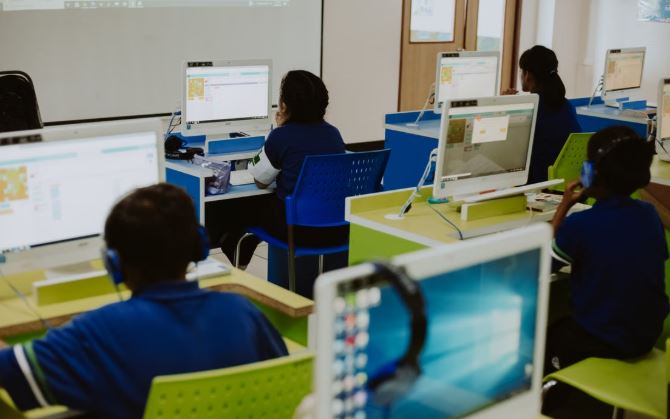
Education in India is gradually moving beyond textbooks, blackboards and traditional lectures. Smart classrooms, interactive videos, virtual laboratories and digital learning platforms are changing how students understand lessons, practise skills and prepare for examinations. For teachers, technology offers new ways to explain complex subjects and track student progress. For schools, it creates opportunities to improve learning resources and reach students who have limited access to specialised teaching.
The growing adoption of digital classrooms in India also reflects a larger shift in the education sector. Technology is no longer simply an additional teaching aid; it is becoming an important part of how schools deliver education and prepare students for a more digitally connected economy.
Yet, this transformation is far from uniform. While some schools have modern equipment and reliable internet access, others struggle with inadequate infrastructure, limited budgets and a shortage of trained teachers. The challenge is to ensure that digital education improves learning for all students, rather than creating another divide between those who have access to technology and those who do not.
How Digital Classrooms Are Changing the Way Students Learn
One of the biggest advantages of digital classrooms is their ability to make lessons more engaging and easier to understand. A science experiment can be demonstrated through a video, a mathematical concept can be explained through animation, and a geography lesson can use interactive maps to bring distant places closer to students.
These methods can help learners connect classroom theory with practical examples. Students can revisit recorded lessons, practise questions at their own pace and use digital assessments to identify subjects that need more attention.
Digital learning platforms also give teachers access to additional educational resources. India’s DIKSHA platform, for example, provides digital content that can supplement classroom teaching and support learning in different languages.
However, technology works best when it complements a teacher’s explanation rather than replacing it. Students still need opportunities to ask questions, discuss ideas, solve problems and learn through practical experience. The real benefit of a digital classroom lies in making these activities more effective, not simply in replacing a blackboard with a screen.
The Digital Divide in India: Why Access to Technology Still Matters
Despite the promise of digital learning, access to technology remains unequal across India’s education system.
Students from financially secure families may have personal devices, dependable internet connections and a quiet place to study. For children from low-income households, a single smartphone may be shared among several family members, making it difficult to attend online lessons or complete assignments regularly.
Schools face similar differences. Well-funded institutions can invest in computers, smart boards and technical support, while many under-resourced schools must prioritise basic facilities and teaching requirements.
This inequality affects more than convenience. Students who cannot access digital resources consistently may lose opportunities to practise lessons, explore additional learning materials or receive academic support outside school hours.
Bridging the digital divide therefore requires more than distributing devices. India needs affordable connectivity, dependable electricity, accessible learning content and school-based facilities that allow students to use technology regardless of their family income.
Rural Schools and Girls Need More Inclusive Digital Education
Digital classrooms have the potential to reduce educational inequalities, particularly in rural and remote communities. Online lessons can connect students with subject specialists, while shared digital resources can help schools provide additional academic support where teachers are difficult to recruit.
But these benefits depend on whether students can actually access the technology. Weak internet connectivity, expensive data services and limited access to suitable devices can prevent rural learners from participating fully.
Girls from disadvantaged households may face additional barriers when family members share devices or domestic responsibilities reduce their study time. Without specific measures to ensure equal access, digital education may reproduce existing inequalities instead of helping to overcome them.
Schools can respond through digital learning centres, shared computers, downloadable lessons and offline educational applications. Providing dedicated access to devices during school hours can also help students who cannot study online at home.
Inclusive digital education must recognise that students have different circumstances. Solutions designed around local needs are more likely to deliver lasting benefits than systems that assume every child has a personal device and uninterrupted internet access.
Teacher Training Is Essential for the Success of Digital Classrooms
Technology can improve teaching, but it cannot replace the guidance, experience and personal attention of a good teacher. The success of digital classrooms in India will depend heavily on how effectively educators use these tools.
Teachers need training to select relevant digital content, conduct interactive lessons, assess student understanding and combine online resources with classroom activities. They also need the confidence to adapt technology to different learning levels rather than using it simply because equipment is available.
Infrastructure and maintenance are equally important. Devices that frequently break down, unreliable internet connections and a lack of technical assistance can disrupt lessons and discourage teachers from using digital resources.
For schools, this means planning beyond the initial purchase of equipment. Budgets must account for teacher development, software updates, repairs and the replacement of outdated devices.
A well-trained teacher with appropriate digital resources can often deliver greater value than an expensive classroom system that is rarely used effectively.
Government Initiatives Supporting Digital Education in India
India’s National Education Policy 2020 recognises the role of technology in teaching, learning, assessment and educational administration. Initiatives such as DIKSHA help make educational materials available to teachers and students, providing a foundation for wider digital learning.
The next challenge is ensuring that these resources reach students in a form they can use. Content should reflect state curricula, support Indian languages and work on devices commonly available to families and schools.
Low-bandwidth platforms and offline learning options are particularly important in areas where internet connectivity remains unreliable. Digital literacy programmes can further help students, teachers and parents use online educational resources safely and confidently.
Government investment must also address the basics: electricity, internet access, affordable devices and regular maintenance. Without these foundations, even well-designed educational platforms may fail to reach the students who need them most.
Coordination between central and state governments, school administrations and local communities can help ensure that digital education becomes a consistent part of classroom learning.
India’s EdTech Industry: Business Opportunities in Digital Classrooms
The expansion of digital classrooms is creating opportunities for India’s education technology industry. Demand is growing across several areas, including affordable hardware, educational software, digital content, classroom connectivity, teacher training and technical maintenance.
For businesses, the opportunity extends beyond developing sophisticated learning platforms. Many schools need practical, affordable solutions that work with limited infrastructure and tight budgets.
Low-cost devices, offline-first applications and regional-language educational content can help technology providers address the requirements of schools in smaller towns and rural areas. Companies that offer reliable maintenance and easy-to-use software may also find opportunities among institutions that lack dedicated technical teams.
The sector can create business opportunities for small and medium-sized enterprises working in hardware distribution, network installation, software development and educational content production. Partnerships with schools, government agencies and community organisations can help these providers reach a wider audience.
However, affordability will remain a decisive factor. Schools cannot always sustain expensive subscriptions, frequent equipment upgrades or complex systems that require specialised support. Businesses must develop models that balance commercial viability with the financial realities of educational institutions.
The long-term opportunity lies in building trust through reliable products and demonstrable learning benefits. In education, a solution’s value depends not on how advanced it appears, but on whether teachers can use it effectively and students benefit from it.
The Economic Impact of Digital Education on India’s Future Workforce
The benefits of digital classrooms extend beyond schools. Access to quality education can help students develop problem-solving abilities, digital literacy and other skills increasingly relevant to higher education and employment.
Early exposure to technology can also help learners become more comfortable with digital tools. When combined with strong foundational education, these skills can support further learning and prepare young people for a changing workplace.
For the economy, better access to education can contribute to a more capable workforce and wider participation in emerging industries. For households, effective digital learning may provide additional educational resources without requiring every family to pay for multiple supplementary services.
However, technology alone cannot guarantee better employment outcomes. Students still need strong reading, writing, mathematics and critical-thinking skills, alongside practical training and opportunities to apply what they learn.
The economic value of digital education will ultimately depend on the quality of learning it supports and the extent to which its benefits reach students across income groups and regions.
How India Can Make Digital Classrooms More Effective
The next phase of digital education must focus on making technology useful, affordable and accessible over the long term.
Schools need reliable electricity and connectivity, devices that suit their budgets, and educational materials that reflect local languages and curricula. Teachers must receive ongoing training, while students without home internet access should have opportunities to use digital resources at school.
Policymakers and school administrators should also evaluate outcomes rather than relying solely on the number of devices installed. Student participation, subject comprehension, foundational literacy and numeracy, and improvements in academic performance provide a clearer picture of whether technology is making a difference.
For education technology companies, developing products around these practical needs can support wider adoption and more sustainable growth. For governments, directing resources towards proven interventions can help ensure that public investment delivers meaningful educational benefits.
A balanced model that combines digital tools with classroom teaching, practical activities and personal guidance is more likely to serve students effectively than an approach centred on technology alone.
The Future of Digital Classrooms in India
Digital classrooms in India represent an important opportunity to make education more engaging, flexible and accessible. They can expand the availability of learning resources, support teachers and create new opportunities for businesses developing affordable educational solutions.
But the success of this transformation will not be measured by the number of smart boards installed or the speed at which schools adopt new platforms. It will depend on whether students can access quality learning regardless of their location, household income or personal circumstances.
Closing the education gap requires sustained investment in infrastructure, teacher training, affordable technology and inclusive learning resources. It also requires recognising that every school operates under different conditions and that solutions must be adapted accordingly.
Ultimately, digital education should make learning easier to access without making it harder for disadvantaged students to participate. When technology supports good teaching and reaches the children who need it most, it can become more than a classroom upgrade. It can help create a more inclusive education system and expand opportunities for India’s next generation.